

Ahmed Souab
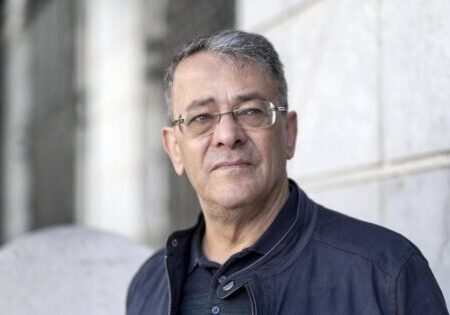
Ahmed Souab is a Tunisian lawyer, former administrative judge and human rights defender widely recognised for his longstanding commitment to judicial independence, fair trial rights and the rule of law in Tunisia. After serving for decades as a magistrate at the Tunisian Administrative Court, he became a prominent public critic of executive interference in the judiciary, particularly following President Kaïs Saïed’s consolidation of power after 2021. Souab co-founded the Union of Administrative Judges and became known for defending victims of political repression, arbitrary dismissal and violations of due process. He also acted as defence counsel in several politically sensitive cases involving opposition figures and critics of the Tunisian authorities. On 21 April 2025, he was arrested by the Counter-Terrorism Brigade shortly after publicly denouncing what he described as political pressure exerted on judges in the so-called “conspiracy case” targeting opposition leaders. Authorities interpreted his remarks concerning judges having “a knife to their heads” as threats against the judiciary and prosecuted him under anti-terrorism legislation and Decree-Law No. 54 relating to “false information”. His arrest triggered strong condemnation from Tunisian civil society organisations, international legal associations and human rights groups, which considered the prosecution politically motivated and emblematic of the broader crackdown on dissent and independent lawyers in Tunisia. During his detention in El Mornaguia prison, reports indicated a significant deterioration in his health, including repeated medical emergencies and inadequate detention conditions. Human rights organisations criticised the proceedings against Ahmed Souabas grossly unfair, highlighting that one of his hearings reportedly lasted only a few minutes and that restrictions were imposed on his legal defence team. In October 2025, he was sentenced to five years in prison and three years of administrative supervision on charges including “forming and organising a terrorist group” and “spreading false information”. His conviction was widely denounced internationally as an attack on freedom of expression, judicial independence and the independence of the legal profession in Tunisia. In February 2026, the Tunis Court of Appeal ordered his release following months of international pressure and advocacy campaigns by legal and human rights organisations.
Relevant News & Publications

Details
- Name Ahmed Souab
- Country : Tunisia
- Gender Male
- Profession Human rights defender Lawyer Violations
- Accused of terrorism Sentenced Trumped up charges Unfair and poor prison conditions Unfair trial
- Status Released
- Date of arrest(s) 21/04/2025
