GCHR delivers statement to UN Committee Against Torture while Bahrain’s record is reviewed
25/04/2017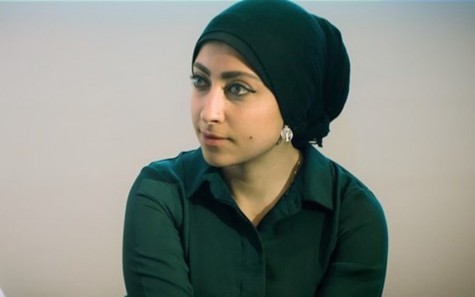
On 20 April 2017, Maryam Al-Khawaja, the Special Advisor on Advocacy for the Gulf Centre for Human Rights (GCHR), delivered the following statement to the UN Committee Against Torture (CAT):
Bahrain has a history of using torture that far precedes the crackdown of 2011. Despite the documentation of severe types of torture in the 1990s, the monarch of Bahrain issued decree 56 in 2002 granting amnesty to all those who had committed acts of torture; in some cases leading to death. At the same time, torture survivors did not receive compensation or rehabilitation.
Even though promises were made to end torture, it resurfaced in 2009 as documented by Human Rights Watch. Some of the torture survivors from the 90s, were arrested again and tortured after 2010. Some of the most severe cases of torture in 2011 continue to be imprisoned with lack of access to adequate medical treatment. One such case is Abdulhadi Al-Khawaja, a human rights defender serving a life sentence. The UN Working Group on Arbitrary Detention issued a decision on Al-Khawaja’s case calling his detention arbitrary. The severe physical, psychological and sexual torture Al-Khawaja was subjected to was documented by the government’s Bahrain Independent Commission of Inquiry – but there has been no accountability for those who committed the acts of torture. Al-Khawaja was targeted in retribution for his human rights work – including working with the UN – he was the first NGO representative to ever make a statement during the UPR. His case is documented in the Gulf Centre for Human Rights’ 2017 report on torture in Bahrain, submitted to CAT. Al-Khawaja is on a life-threatening hunger strike to protest degrading treatment in prison.
Naji Fateel is another human rights defender, currently serving combined sentences of 25 years, who has been arrested multiple times and tortured. In 2012, Fateel was subjected to torture which included electrocution of his genitals and left leg, where he suffers from an injury; simulated drowning; beating, including on the injured left leg; sexual harassment including the threat of rape; psychological torture; being forced to stand for long hours and sleep deprivation. Fateel attempted to show the torture marks on his back to the judge during the trial but was forcefully removed from the court.
Journalist Nazeeha Saeed was arrested and tortured in May 2011 after covering protests. She was repeatedly beaten and subjected to electro-shocks 10 times while in police detention. One of the policewomen responsible was brought to trial but acquitted in October 2012. In November 2015, authorities decided against charging other identified officers because of “insufficient” evidence.
Ahmed Al-Arab, a nursing student, was arrested again at the age of 22 in 2014 and subjected to 21 days of enforced disappearance during which he was reportedly subjected to severe torture. During a crackdown in Jau prison in 2015, Al-Arab was again reportedly subjected to torture. He managed to escape from prison at the beginning of 2017, was rearrested on 9 February and subjected to 31 days of enforced disappearance, as well as torture.
These are just a few examples from an extensive list of torture survivors, which show the lack of accountability, as well as the continued use of torture in Bahrain by the authorities. Torture in Bahrain is systemic and based on official documentation, happens with the knowledge of the highest officials. The best example of this was when the world’s longest serving unelected prime minister, Khalifa bin Salman, visited an official acquitted of torture charges in 2013, and said: “We do not allow any harm towards you. These laws, no-one implements them on you.”
To read GCHR’s submission to the UN CAT, Torture, Physical Coercion and Reprisals in Bahrain Belie Commitment to Reform, please see: https://www.gc4hr.org/report/view/65

-
Latest News
Defenders Affected