To mark the International Day to End Impunity for Crimes Against Journalists, Maharat Foundation and the Gulf Centre for Human Rights (GCHR), in cooperation with IFEX, the Arab Network for Human Rights Information (ANHRI), the Lebanese Center for Human Rights (CLDH) , the Bahrain Center for Human Rights (BCHR), SMEX, Media Association for Peace (MAP) and SKeyes, organised a joint event entitled, “No Impunity for Crimes Against Journalists in the Arab Region,” on Monday, 02 November 2026, at the Radisson Blu Hotel – Verdun, Beirut.
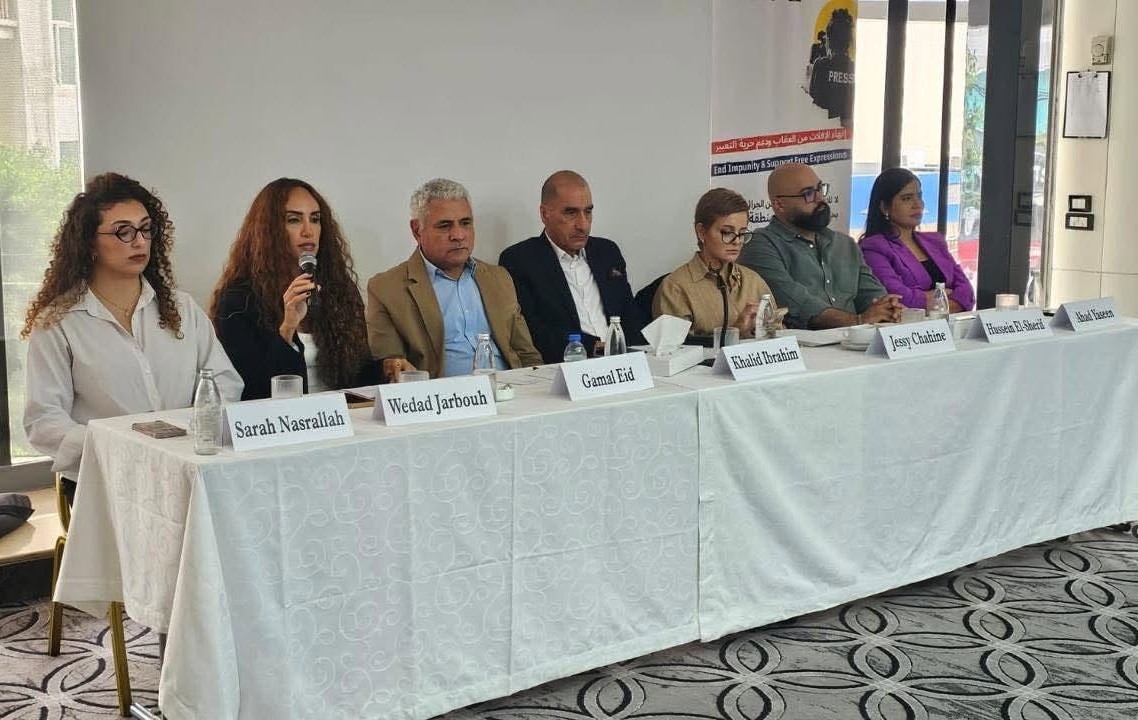
The event included a panel discussion on ending impunity and supporting freedom of expression, moderated by Khalid Ibrahim, Executive Director of GCHR. Panellists included Jessy Chahine from the Regional Office of the United Nations High Commissioner for Human Rights for the Middle East and North Africa (ROMENA), Gamal Eid from the Arab Network for Human Rights Information (ANHRI), Widad Jarbouh from the Samir Kassir Foundation (Skies), Hussein Al-Sharif from Maharat Foundation, Sarah Nasrallah from the Lebanese Center for Human Rights (CLDH), and Yemeni independent journalist Ahed Yassin.
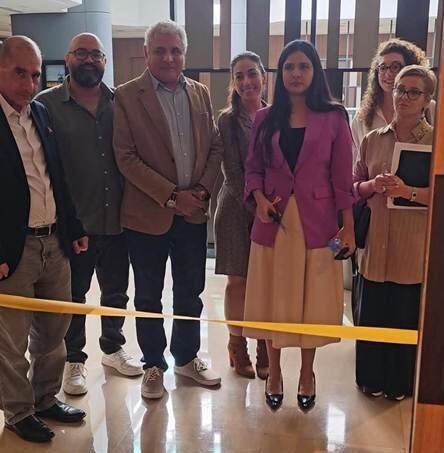
The event also featured the opening of an exhibition showcasing photographs of journalists who have lost their lives in the Middle East and North Africa region due to their professional journalistic work in recent years, up to 2026. The exhibition commemorated their memory and emphasised the need for justice and accountability for those responsible for the crimes committed against them.
Khalid Ibrahim
Khalid Ibrahim, Executive Director and founder of GCHR, called on the region’s governments and all relevant parties to prevent violence against journalists and media workers, and to provide a safe and independent environment that allows them to practice their professional journalistic work freely, without fear of reprisal. Ibrahim emphasised that, “We must all combat the culture of impunity, support victims and survivors, and provide them with legal and psychological protection.”
Jessie Chahine
The representative of ROMENA, Jessie Chahine, affirmed that protecting journalists is not merely protecting a professional group, but rather protecting society’s right to know and freedom of opinion and expression. Journalists expose violations, amplify the voices of victims, and contribute to transparency and accountability, and their role becomes even more crucial during times of armed conflict.
She also explained in her statement that in our region, the risks include killing, injury, arbitrary arrest, enforced disappearance, harassment, threats, and digital harassment, while women journalists face additional threats of a sexual nature and gender-based violence.
Gamal Eid
Gamal Eid, director of ANHRI, said, “I am living in a reality where I see the situation of journalists in Egypt as the worst it has ever been, with the near-total absence of independent journalism, state control over approximately 95% of media outlets, and the blocking of hundreds of websites. We are also witnessing the persecution and arrests of journalists working for independent websites such as Mada Masr and the Matasdaash platform. I have never seen so many journalists imprisoned at the same time.”
Eid emphasised that freedom of the press, freedom of expression, and the right to liberty and freedom from imprisonment are among the most fundamental human rights. The responsibility for protecting these rights does not rest solely with governments, but also with the judiciary. He also stressed that despite this dire situation, there remains a glimmer of hope in Arab initiatives, including those from Lebanon, which have expressed solidarity with the detained journalists. He added that there is a growing awareness of the importance of this solidarity, because journalism is not just a matter for journalists; it is the tool through which society makes its voice heard. Therefore, it is essential to provide spaces for support and solidarity.
Widad Jarbouh
Widad Jarbouh, representative of SKeyes, addressed the state of press freedom in Lebanon amidst ongoing violations and impunity. She cited six reports issued by the foundation, which documented 92 violations between July 2025 and June 2026.
She explained that legal prosecutions topped the list of these violations, accounting for 35 cases, followed by Israeli military attacks, which numbered 23. Other violations included physical assaults, threats, digital censorship, and arrests. She highlighted the continued lack of accountability for violations committed against journalists, which leads to repeated attacks and reinforces a culture of impunity.
Jarbouh reviewed the foundation’s efforts in providing emergency assistance to journalists during the 2024 and 2026 wars, including shelter, transportation, protective equipment, medical aid and psychological support. She also stressed that protecting journalists requires two parallel tracks: holding those responsible for violations accountable, and providing the necessary protection and support to ensure they can continue to perform their work freely and safely.
Hussein Al-Sharif
Researcher and journalist Hussein Al-Sharif, from the Maharat Foundation, drew attention to the experience of the martyred journalist Amal Khalil, who continued her journalistic work in Lebanon despite the threats against her. He stressed that the courage of journalists must be met with a robust protection system, and they should not be left alone to face the dangers of their work. He also emphasised that targeting them infringes upon the public’s right to know and access information.
He further emphasised the ongoing efforts of the Maharat Foundation to document violations and preserve the memory of journalists killed while performing their duties. He also noted that during the last Israeli war on Lebanon, Maharat published a guide on journalists’ safety during coverage, addressing preparation before going into the field, safe movement and filming, coordination and emergency response, and digital safety.
On another note, he stressed the responsibility of media institutions to provide training, protective equipment, and necessary support, including for freelance journalists.
Al-Sharif affirmed that safety measures must be accompanied by a serious approach to threats, conducting independent and effective investigations, preserving evidence and testimonies, and holding those responsible for attacks accountable. He also called for activating available international accountability mechanisms and continuing to pursue cases to ensure the right of victims and their families to truth and justice, and to prevent the recurrence of crimes and the entrenchment of impunity.
Sarah Nasrallah
Sarah Nasrallah, representative of the CLDH, emphasised that since the beginning of the escalation in March 2026, the Center has been monitoring and documenting violations against civilians, medical personnel, and journalists, and has coordinated with the Office of the United Nations High Commissioner for Human Rights (OHCHR) and with civil society organisations that document these violations.
She also explained that the CLDH facilitated the OHCHR team’s access to relevant information, documentation, and testimonies, including data it had collected on violations committed in Lebanon.
She further stressed that the importance of this work lies not only in documentation but also in ensuring that the investigation’s findings are translated into concrete steps for accountability at the international level, including through the Human Rights Council. She also emphasised the crucial role of the press in documenting violations and keeping human rights issues present in public discourse.
Ahed Yassin
In the same context, Yemeni independent journalist Ahed Yassin highlighted the dangerous working environment faced by Yemeni journalists, lacking even the most basic safety standards due to the complete control exerted over the media landscape by the warring parties. Human rights monitoring reports issued in 2026 confirm the escalation of violations through assassinations and arrests, alongside systematic incitement and intimidation campaigns emanating from authoritarian bodies and official legislative channels.
Yassin stated, “The most striking example of this reality is the vicious attack and incitement I personally endured from parliamentarians who exploited official platforms to discredit my professional work. The continuation of these practices exacerbates the suffering of media professionals and undermines what remains of freedom of expression, amidst complete impunity for the perpetrators.”
It is worth noting that the United Nations General Assembly, at its 68th session in 2013, adopted Resolution 68/163, declaring November 2nd as the International Day to End Impunity for Crimes against Journalists. The resolution urged Member States to implement specific measures to combat the prevailing culture of impunity. This date was chosen to commemorate the assassination of two French journalists in Mali on 02 November 2013.
This complements the UN Plan of Action on the Safety of Journalists and the Issue of Impunity, adopted by the UN Chief Executives Board on 12 April 2012. The plan called upon UN agencies, funds, and programs to work with Member States to create a free and safe environment for journalists and media workers in both conflict and non-conflict situations, with the aim of promoting peace, democracy, and development worldwide.
Opening of the Annual Exhibition
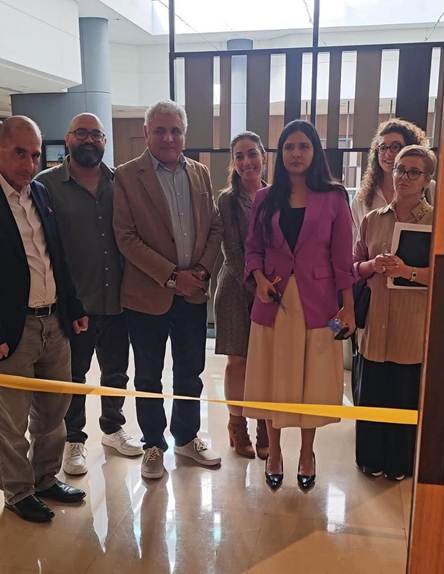
Following a rich and engaging discussion at the symposium, the annual exhibition was opened. It featured photographs of journalists from our region who lost their lives because of their professional work and their efforts to bring the truth to all citizens.

-
Latest News
Defenders Affected