Qatar, civil society and human rights: Lack of civil society space hinders work of human rights defenders
3/03/2016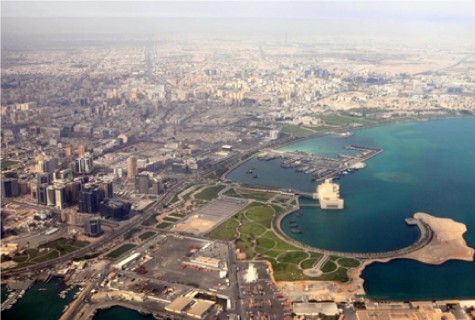
Qatar is a country ruled by a monarchy with an unusually large immigrant population. It has been subject to significant criticism for its treatment of migrant workers and women as well as those who attempt to speak out against the state. In spite of these abuses there has been very little oppositional reaction from civil society in Qatar. This report examines the lack of civil society space, especially as it relates to human rights defenders.
The report discusses the human rights problems in Qatar, and highlights the need to expand the ability of civil society to address the current human rights concerns and sustain the environment for civil society engagement, both national and non-national. Human rights priorities, as found by this research, are migrant workers’ rights, women’s rights, freedom of expression and access to justice.
The first section of the report introduces a factual background on the country’s socio-economic situation, plus the regional and international political position and interests of the country. Evidenced by related literature, international reports and news articles, the second section discusses the human rights situation of human rights defenders in Qatar. While the third section includes four main subsections to discuss thoroughly civil society space in relation to the human rights priorities as introduced above, many of the problems discussed throughout the report are strongly interconnected and in many places they intersect. The report concludes by drawing on the main findings and providing a set of recommendation to the government of Qatar.
For the full Annual Report Click above on “Download File“. It is also available in Arabic.
-
Related Publications
Latest Urgent Action
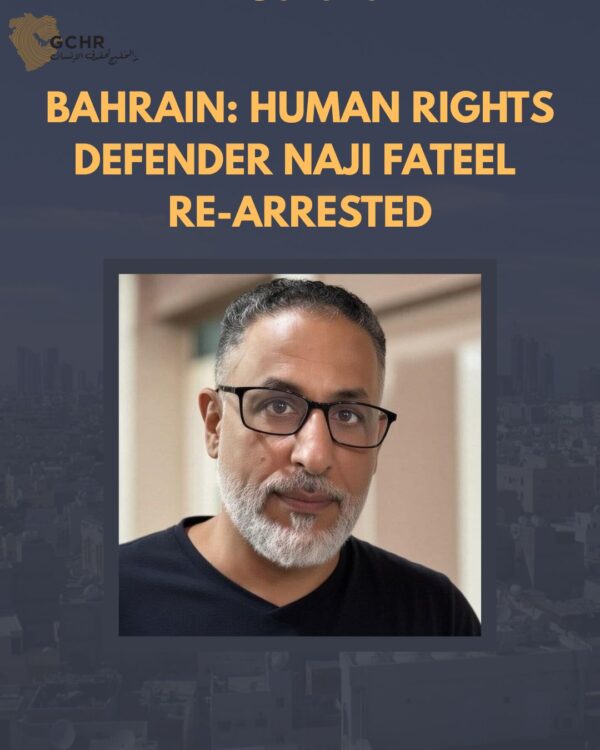 Bahrain
Human rights defender Naji Fateel re-arrested