The Gulf Centre for Human Rights (GCHR) is following with grave concern the continued targeting by Kuwaiti authorities of members of the National Assembly, which was dissolved by the Emir, Sheikh Mishal Al-Ahmad Al-Sabah, in May 2024. GCHR previously reported that the Court of Appeals issued suspended prison sentences and fines against a number of these MPs.
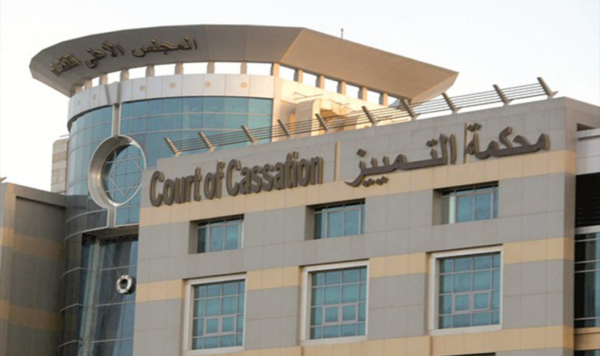
Despite this, in a new development, the First Circuit of the Court of Cassation, in a session presided over by Judge Sultan Noah Boursli, issued final rulings on 05 September 2026, sentencing, convicting, and suspending sentences against a group of former members of the National Assembly, as well as a number of activists and bloggers. These rulings concerned several cases related to publishing tweets and posts, with charges including “challenging the rights and powers of the Emir,” “spreading false news that could harm the country’s internal interests and situation,” and “insulting the judiciary,” in addition to the biometric fingerprinting case.
This case, known in the media as the biometric fingerprinting case, began in May 2023 when the Kuwaiti Ministry of Interior imposed biometric fingerprinting (finger and facial biometric scanning) as a requirement for citizens and residents. Some former members of the National Assembly and activists opposed the decision, posting tweets on social media criticising the procedures. The Public Prosecution charged them with spreading false and malicious news and rumours about internal affairs and attributing false accusations to the Ministry of Interior, which the court deemed “undermining the prestige of the state.”
The most prominent new sentences of actual imprisonment issued by the Court of Cassation are as follows:
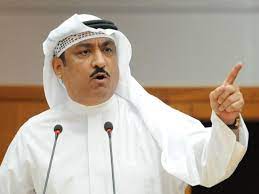
Musallam Al-Barrak (a prominent political activist and former member of the National Assembly): He was sentenced to three years in prison for being a repeat offender (meaning he committed a new crime) after being convicted of spreading malicious news harmful to the country’s interests. He is currently abroad, and press reports indicate that the Ministry of Interior has launched a broad investigation into how he was able to leave the country without a travel ban being issued against him.
Salem Al-Namlan (a prominent political activist and former member of the National Assembly): He was sentenced to three years in prison for being a repeat offender after being convicted of broadcasting malicious news harmful to the country’s internal affairs. He is currently abroad.
Muhannad Al-Sayer (a former member of the National Assembly): Sentenced to three years in prison after his suspended sentence was revoked, following his conviction for challenging the Emir’s rights and interfering in his prerogatives, and disseminating malicious news.
Saleh Mohammed Al-Mulla (a former member of the National Assembly): Sentenced to two years in prison after being convicted of challenging the Emir’s prerogatives and rights.
Badr Al-Dahoum (a former member of the National Assembly): Sentenced to one year in prison with hard labour after his suspended sentence was revoked, following his conviction for insulting the judges of the Constitutional Court.
Ahmed Khaled Al-Shalimi (X user): Sentenced to three years in prison after his suspended sentence was revoked for “breaching his pledge,” following his conviction for disseminating false news.
Meanwhile, the Court of Cassation overturned the acquittals of 15 defendants and convicted them again on charges of disseminating false news, while refraining from pronouncing the prescribed penalty against them, and requiring them to post bail of 1,000 dinars.
Refraining from pronouncing the penalty means that the court found the defendants guilty and formally established their guilt in committing the punishable act, but decided not to impose any penalty (such as imprisonment or a fine) on them at this time.
The convictions, with no sentencing, included former members of parliament Adel Al-Damkhi, Mohammed Musaed Al-Dousari, Osama Al-Zaid, Shuaib Ali Shaaban, Mohammed Abbas Jawhar Hayat, Madi Al-Hajri, Hamad Al-Mudlej, Ali Radan Al-Otaibi, Mohammed Hayef, Saud Al-Hajri, Khaled Mohammed Mounis Al-Otaibi and Mohammed Awad Obaid Al-Mutairi, in addition to political activist Falah Al-Hajri, journalist Nami Harab, and journalist and political activist Nasser Mohammed Al-Mutairi, Secretary-General of the Kuwait National Party.
In another similar development, amidst the prevailing atmosphere of repression, persecution, and suppression of public freedoms in Kuwait, the State Security Court of Appeals, in a final and unappealable ruling dated 08 September 2026, upheld the eight-year prison sentence against former MP Mohammed Al-Mutairi. The verdict included upholding his three-year prison sentence in a first case for charges of broadcasting false news, publishing misleading statements, and disseminating confidential documents, and an additional five-year sentence in a second case for charges of publicly challenging the rights and powers of the Emir and insulting the judiciary. Informed sources confirmed his presence outside the country.
Informed local sources confirmed that those sentenced to prison who were present in the country have already been taken to the Central Prison to serve their sentences.
Recommendations
The Gulf Centre for Human Rights (GCHR) strongly condemns the sentences issued against former members of parliament and activists, considering them clear and further evidence of the serious deterioration of the Kuwaiti political landscape under the current government. This also reflects a disturbing shift in Kuwait, from a state that respected public freedoms and enjoyed relative citizen representation in political affairs to a police state par excellence.
GCHR calls on the Kuwaiti authorities to overturn all these unjust sentences and to adhere to international standards and obligations to restore citizens’ rights to political participation and freedom of expression without reprisal.

-
Latest News
Defenders Affected