GCHR’s periodic report on human rights violations in the Iraqi Kurdistan Region
19/06/2026
The local government in the Kurdistan Region of Iraq continues to commit serious violations of the civil and human rights of citizens, including civil society activists, journalists, and protesters. The Gulf Centre for Human Rights (GCHR) documents these violations, which occurred over the past ten months in this periodic report, and calls on local authorities to work diligently to respect public freedoms, including freedom of expression, freedom of peaceful assembly, and freedom of the press.
Targeting of political activists
The Kurdistan Regional Government (KRG) continues its systematic policies of targeting activists from other political parties operating in the region, as evidenced by the documented cases below.
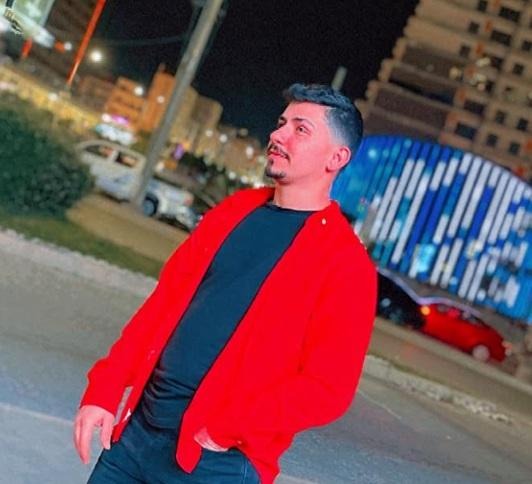
On 13 May 2026, security forces in Erbil arrested political activist and leader in the Kurdish National Stance Movement, Islam Iskandar Ahmed Al-Zebari, upon his return from Sulaimaniyah. He was arrested at the Dikla checkpoint, located between Erbil and Koya. His colleagues confirmed that the arrest was purely politically motivated and part of a campaign to intimidate and silence courageous voices in the region. They called on the relevant authorities to reveal his whereabouts and end the policy of targeting activists and opposition political leaders.
It is worth noting that this is the second time he has been arrested. He was previously detained on 06 April 2025 for 17 days following statements he made regarding widespread corruption within the Ministry of Peshmerga Affairs of the Kurdistan Regional Government. Zebari holds a bachelor’s degree in international relations and politics, which he obtained from Cihan University in Erbil in 2015.
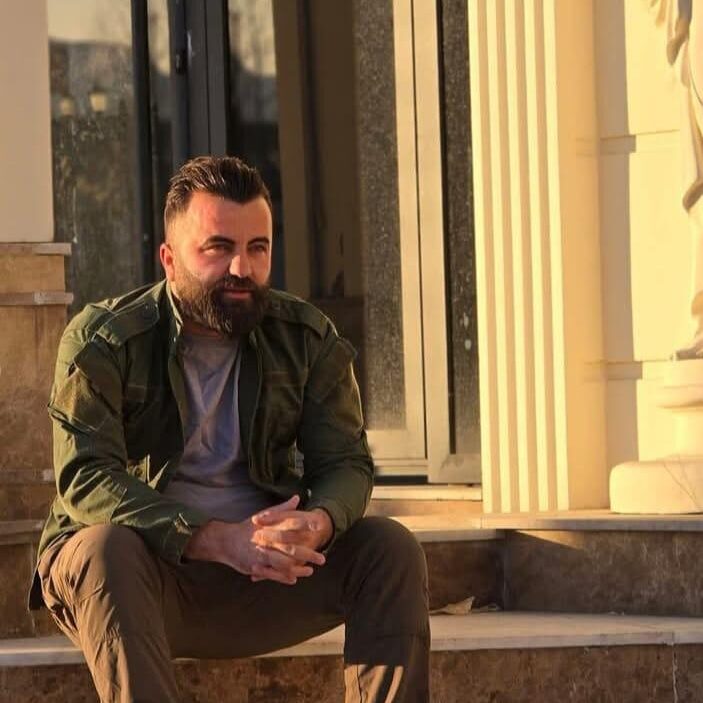
On 05 May 2026, security forces arrested political activist and Patriotic Union of Kurdistan (PUK) member Islam Biberkhy in the town of Dereluk, Duhok Governorate. His arrest stemmed from his criticism of the local government on his Facebook page, in which he held it responsible for the deteriorating living and political conditions and its restrictions on citizens’ public freedoms. Following pressure from his party on local authorities, he was released two days later, after his arrest, which was carried out without a warrant.
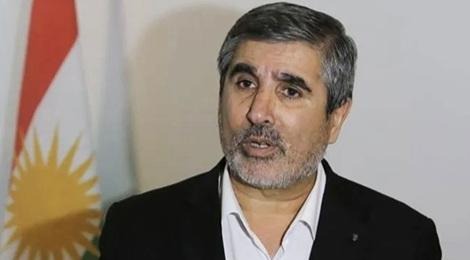
On 22 February 2026, authorities in Sulaimaniyah released political activist and head of the Alliance for Democracy and Justice Party, Aram Mohammed Qadir, after seven months of detention. He had been arrested on 14 July 2025.
His trial was postponed twice, first on 13 January 2026, and then again on 08 February 2026. He faced numerous charges, including organising political activities without official permits and espionage under Article 1 of Law No. 21 of 2003.
Law No. 21 of 2003, issued by the Kurdistan Region’s Parliament, suspended Article 156 of the Iraqi Penal Code and replaced it with stricter legal provisions related to “espionage” and “undermining the region’s security and stability.”
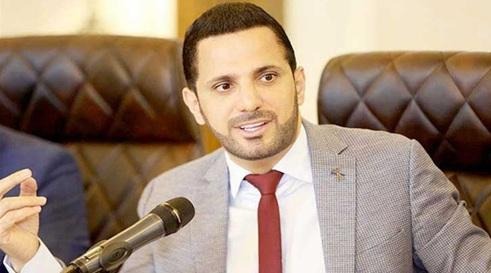
On 12 August 2025, security forces in the city of Sulaimaniyah arrested the prominent political activist and head of the New Generation Movement in the Kurdistan Region, Shaswar Abdulwahed, 48 years old, after besieging him in his home in the German Village in the city of Sulaimaniyah.
His arrest came after a judicial arrest warrant was issued against him on 03 August 2025, based on judicial complaints filed against him under Article 431 of the Iraqi Penal Code related to defamation. There are also dozens of other lawsuits registered against him related to paying taxes to the state and repaying the amounts of loans provided to him by the government and participants in buying shares.
The New Generation Movement in the Iraqi Kurdistan region issued official statements in which it considered the arrest of its president to represent a “political decision” behind which the parties in power stand, and not a just legal procedure. The movement also described the arrest as a “kidnapping” and political score-settling.
On 02 September 2025, he was sentenced to five months in prison, and after spending more than five months in prison, he was released on 14 January 2026.
The New Generation Movement has 15 seats in the Parliament of the Kurdistan Region of Iraq and three seats in the Iraqi Parliament.
Targeting of press and media and intimidation of civil society activists of journalists
In the numerous cases documented by GCHR in recent months, it is clear that the authorities in the Kurdistan Region continue to pursue a systematic policy of intimidation and harassment targeting journalists, civil society activists, and the organisations for which they work.
On 03 May 2026, during a visit by Iraqi Prime Minister Ali Faleh Al-Zaidi, then a candidate to form the government, Channel 8 Satellite TV was prevented from arriving at Erbil International Airport to cover his arrival, which was intended for meetings with leaders of the Kurdistan Democratic Party (KDP).
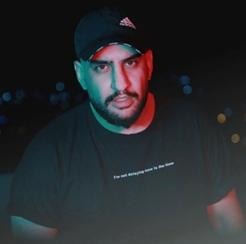
On 28 April 2026, security forces in Duhok Governorate arrested civil society activist Divan Ahmed for posting a video on his Facebook page. In the video, he discussed the Duhok Misdemeanor Court’s refusal to accept a legal complaint filed by lawyers on behalf of the Yazidi community in the Kurdistan Region against a KDP member who had insulted their beliefs. Reliable sources confirmed that the complaints were dismissed due to partisan political control over the judiciary in the region.
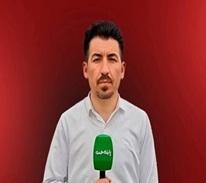
On 28 April 026, the Baytakht Media Foundation announced that it had lost contact with its journalist, Gutbar Rasul, in the Rania district of Sulaimaniyah Governorate, under mysterious circumstances.
It was later revealed that he had been detained by the Asayish (Internal Security) and released on bail after 52 hours of detention.
Rasul had previously worked as a reporter and journalist for Zoom TV.
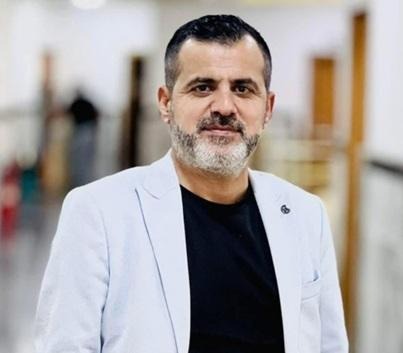
On 24 April 2026, the Asayish (Internal Security) in Duhok arrested civil society activist Hazhar Beysari for criticising the local government on social media networks regarding the deteriorating economic and living conditions of citizens, including increased electricity prices, poor public services, and delayed employee salaries. He was released on 24 May 2026.
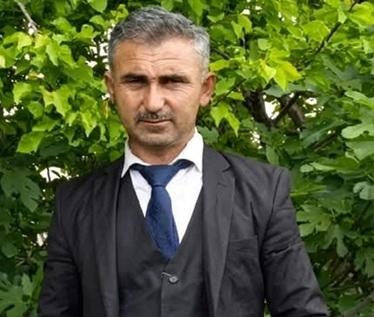
On 24 April 2026, police forces in the Aqrah district of Duhok Governorate arrested civil society activist Dalil Herki in connection with posts criticising the Kurdistan Regional Government (KRG) for the poor living conditions of citizens, the deteriorating economic situation, and the increased taxes and fees on electricity.
This arrest comes amidst growing criticism of the authorities due to the worsening economic conditions and the mismanagement of the ongoing crises in the Kurdistan Region of Iraq. He was released on 27 April 2026, after three days of detention.
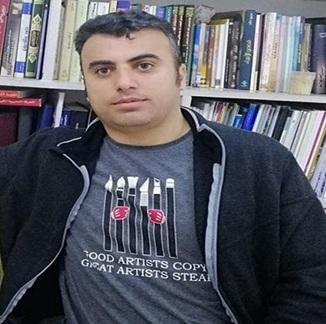
On 22 April 2026, which coincides with Kurdish Press Day, journalist and civil society activist Sherwan Amin Sherwani announced a hunger strike due to mistreatment in prison and the rejection of his demands by security forces.
His demands include, firstly, being transferred to the adult correctional facility in Sulaimaniyah to complete his sentence there, and secondly, being granted weekly leave every three months to return to his family and home. The relevant authorities in the region have rejected both requests.
His lawyer, Rivink Yassin, stated in an interview with a television channel that Sherwani’s demands have been politically motivated, and that due to his hunger strike, his health is unstable and his life is in danger.
On 18 August 2025, the Erbil Criminal Court decided to extend his prison sentence by an additional four years and six months, in addition to his original sentence.
He was arrested along with a group of journalists and activists for participating in public protests and criticising the policies of the regional government on 07 October 2020.
The additional prison sentence was based on a complaint filed against him by an officer at the Erbil correctional facility affiliated with the security services, and in accordance with Article 229 of the Iraqi Penal Code. The court also relied on his public statements in the media and on social media, deeming them a “breach of public order and internal security.”
Article (229) of the Amended Iraqi Penal Code No. 111 of 1969 stipulates that: “Anyone who insults or threatens an employee or any person entrusted with a public service, or a council, official body, or judicial or administrative court, while performing their duties or because of them, shall be punished by imprisonment.”
Since his arrest in 2020, Sherwani has been sentenced to prison twice on charges related to his independent journalistic work. He was supposed to complete his sentence in September 2025, but the new ruling confirms the authorities’ intention to keep him imprisoned. He was convicted on charges related to “public security and espionage for foreign countries,” according to the security authorities.
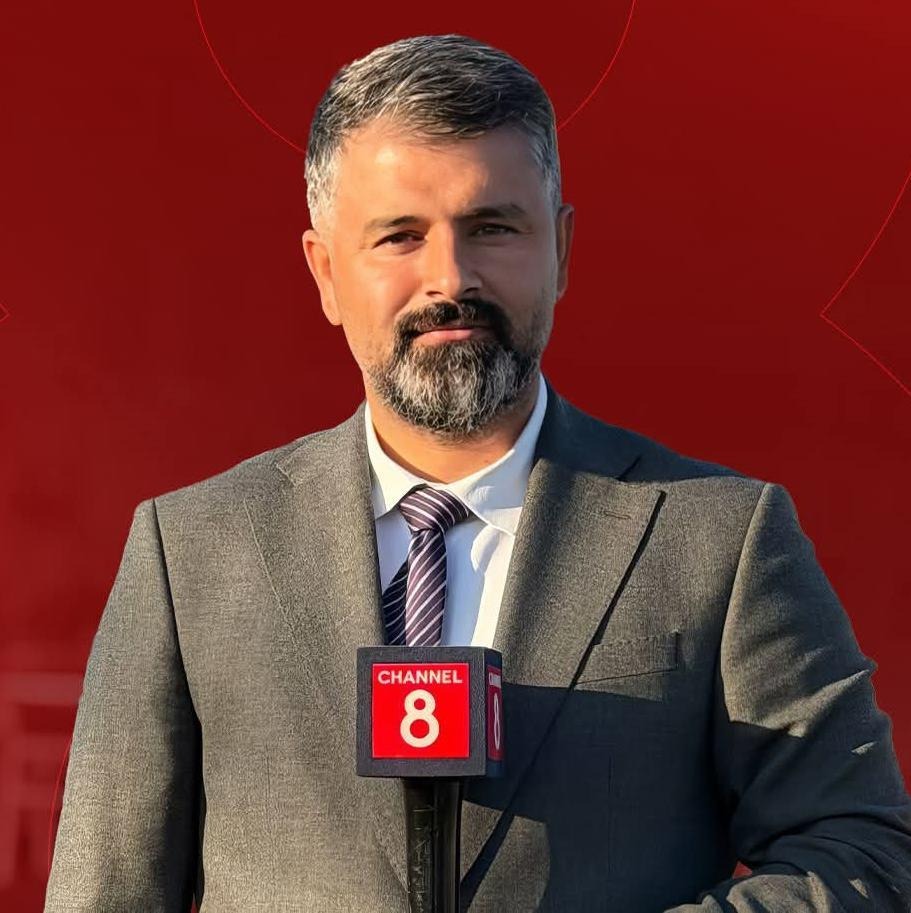
On 16 April 2026, security forces arrested journalist and Channel 8 Satellite TV reporter Ayoub Ali Warti while he was preparing a report on the waste left by oil refineries in Erbil. He was arrested without cause or prior order, apparently to prevent media coverage of the pollution and gas emissions and their impact on the area’s residents. He was released a few hours later.
GCHR previously documented his brief arrest on 18 July 2022, when he was released after several hours of detention. He was accused of publishing investigative reports that were critical of the local government.
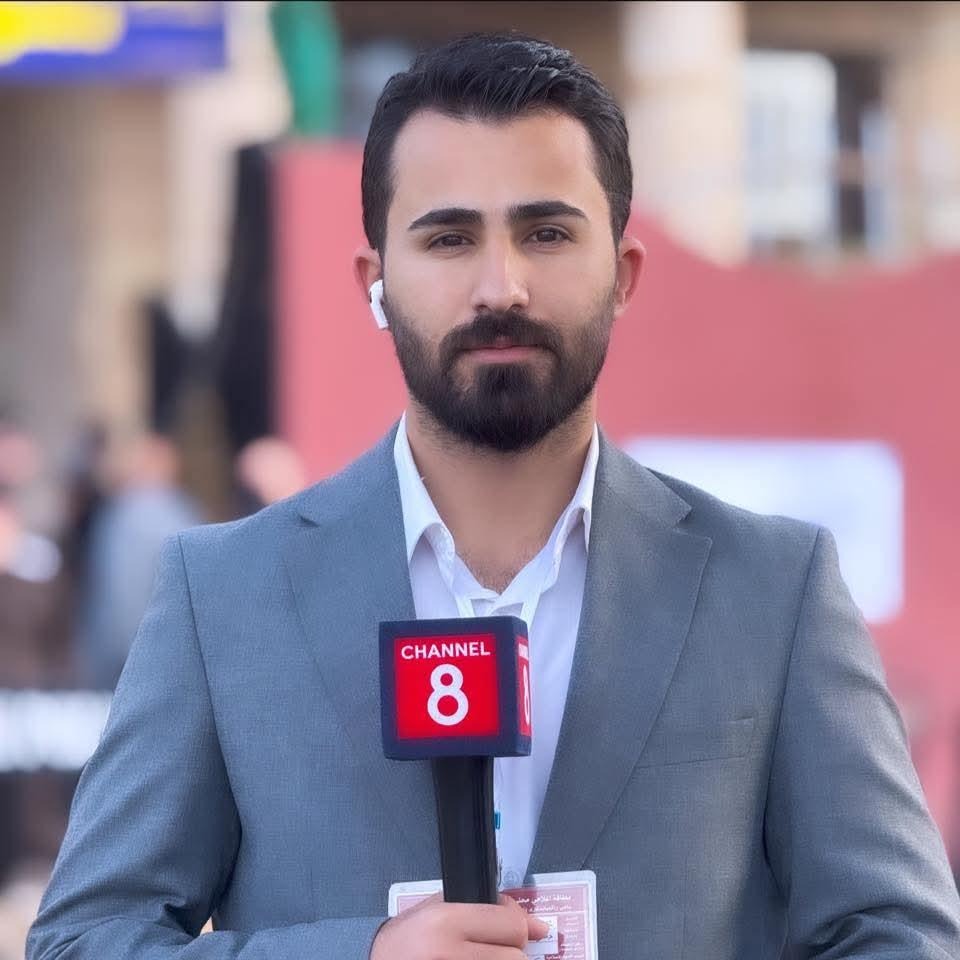
On 08 April 2026, security forces in Duhok Governorate assaulted the 8 Satellite Channel crew and their reporter, Imran Yousif, while they were covering a high school student protest in front of the Duhok Education Directorate building. These forces prevented them from covering the protest and forcibly removed them from the scene.
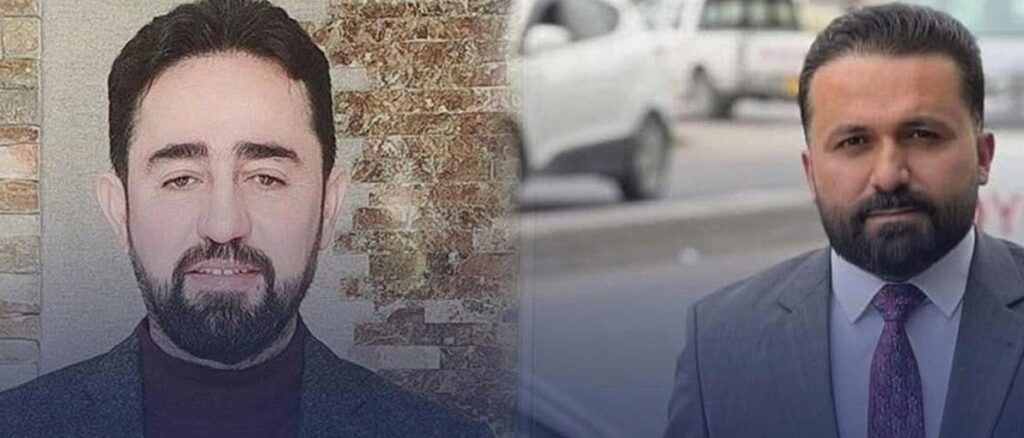
On 04 April 2026, security forces in Duhok Governorate arrested journalist and political activist Sabah Al-Atroushi, a member of the Kurdish National Stance Movement, and civil society activist Reber Ahmed Aymanki after they called for public protests against rising electricity bills in the region and the awarding of the electricity contract to a private company backed by the Prime Minister. They were referred to court under Article 2 of the Law on Misuse of Telecommunications Devices. They were released on bail on 08 June 2026.
On 04 February 2026, security forces in Erbil and Duhok raided the offices of NRT Satellite Channel after accusing it of distorting the image of Kurdish leader Mulla Mustafa Barzani on screen and failing to show him clearly.
The security forces informed the channel’s employees that they were not permitted to work in Erbil and Duhok Governorates, removed them from their offices, and confiscated all their equipment. The channel’s offices remain closed up to this day, with no political decision in place to reopen them.
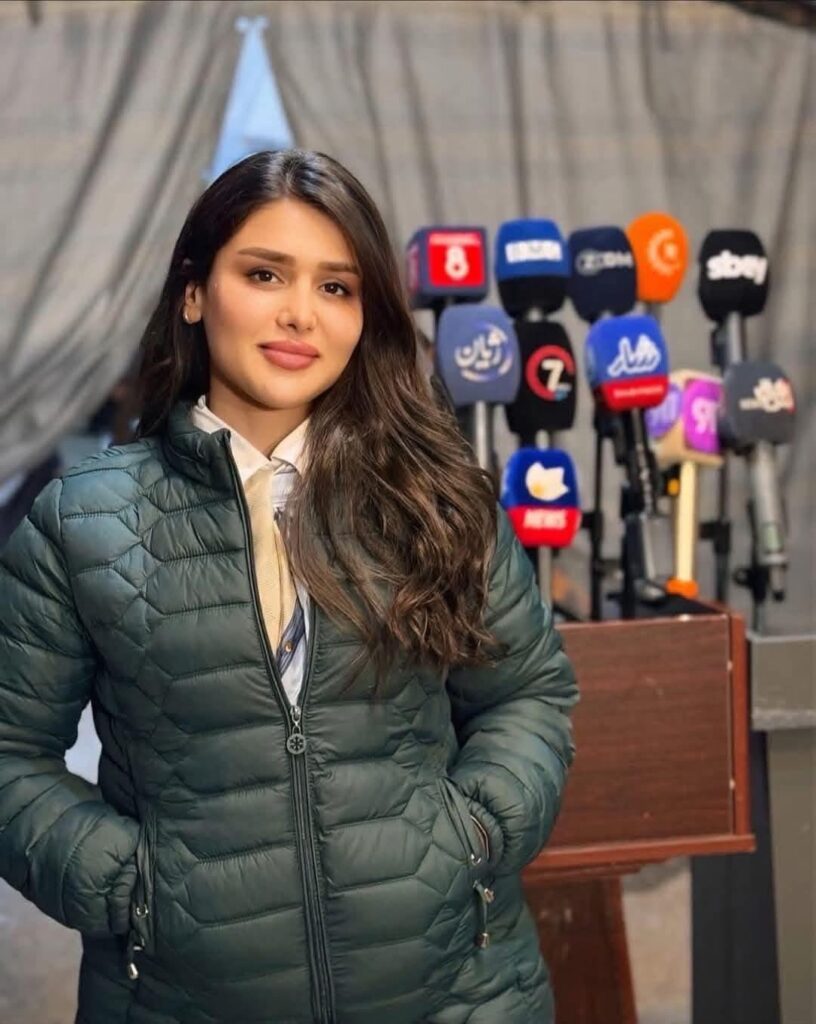
On 28 August 2025, security forces in Sulaimaniyah assaulted journalist Jawa Rawan Mahmoud, a reporter for the Shar Press news website, along with her team. Their media equipment, including cameras, other journalistic gear and mobile phones, was confiscated, and they were prevented from carrying out their journalistic work, which was to cover the trial of prominent political activist Shaswar Abdulwahed.
GCHR previously documented her detention on 23 February 2025, when dozens of educators in Sulaimaniyah organised a peaceful protest demanding their rights. Security forces removed her from the protest area twice to prevent her from reporting. Several protesters were also briefly detained to disperse the gathering.
Targeting of religious figures
Reliable local sources confirmed that the Kurdistan Regional Government (KRG) has suspended approximately 32 religious figures from delivering sermons. This suspension stems from their criticism of widespread corruption in their sermons, their public discussions and writings on other chronic problems faced by citizens, and their calls for fundamental solutions.
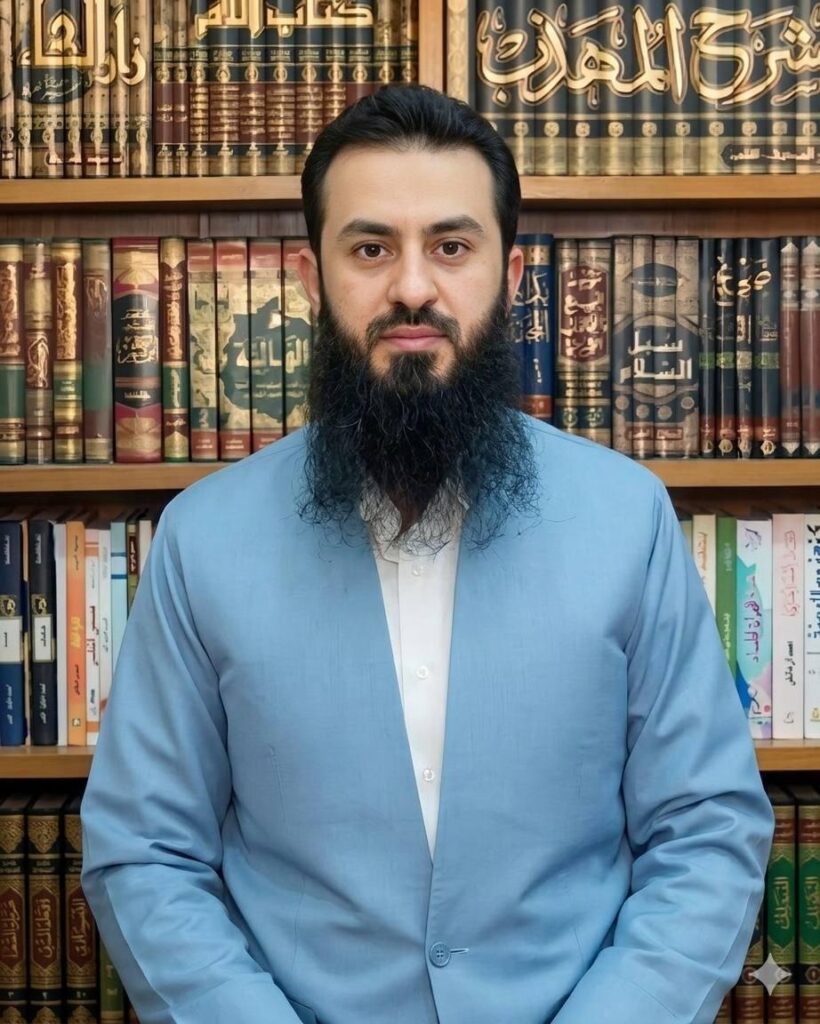
On 26 April 2026, security forces in the province arrested religious figure Mullah Rashid Kochar without a warrant. His arrest was reportedly due to his criticism of the government regarding the deteriorating living conditions, rising gas prices, delayed salaries, and poor services, as well as his posting of a recording containing his grievances.
It is worth noting that Mullah Rashid was the preacher at a mosque in the town of Semel, in Duhok Governorate, when authorities removed him from delivering Friday sermons years ago because he held the local government responsible for the worsening crises in the region.
He was previously arrested by security forces in Duhok Governorate on 13 August 2025, on charges of criticising the regional government, rejecting partisan interference in religious affairs, and posting recordings on social media containing these views. He was released on bail on 20 August 2025.
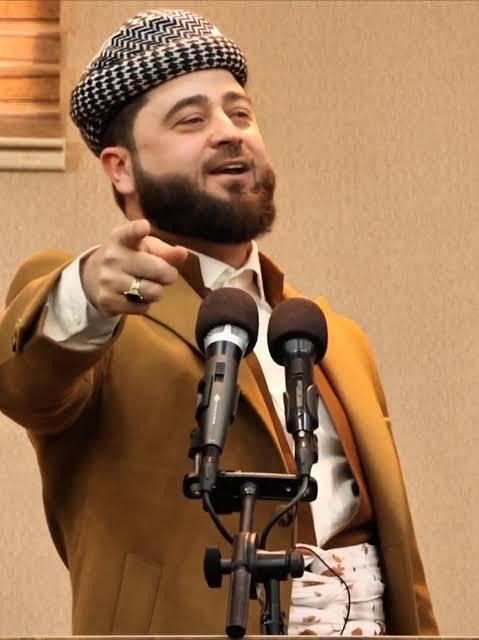
On 16 April 2026, the Duhok Governorate Directorate of Religious Endowments informed cleric Mullah Herman Khalil Bisfki of his dismissal from delivering sermons at his mosque in Duhok Governorate, the Haji Ibrahim Al-Masiki Mosque. This dismissal was due to his previous sermons in which he criticised the local government, its poor performance, the deteriorating living conditions of citizens, and the government’s failure to find acceptable solutions to alleviate their suffering. His sermons had a significant impact on citizens, raising their awareness of widespread corruption and the need to speak out against it.
Recommendations
The Kurdistan Regional Government must ensure that all citizens, including journalists, media professionals, and all human rights defenders, including women’s rights defenders, are able to carry out their legitimate human rights work without fear of reprisals and free from all restrictions including judicial harassment.
GCHR calls on the authorities to immediately and unconditionally release all detained civil society activists, journalists and other prisoners of conscience whose civil and human rights, including freedom of expression and freedom of peaceful assembly, are being violated. The authorities must fulfill their constitutional obligations not to violate public freedoms, including freedom of peaceful assembly, freedom of expression, and freedom of the press, and to provide full protection for journalists and media professionals.

-
Latest News
-
Related Publications
Latest Urgent Action
 Bahrain
Human rights defender Naji Fateel re-arrested
Defenders Affected
-