During the attacks on Lebanon in March and April 2026, eight journalists were among the thousands of people killed by Israeli airstrikes, some coming after the ceasefire was announced. As we approach World Press Freedom Day on 03 May 2026, the Gulf Centre for Human Rights (GCHR) calls for an investigation into the killing of journalists as well as humanitarian and healthcare workers, among many other civilians killed with total impunity in Lebanon, and other countries. Lebanese citizens are exhausted and had hoped that the ceasefire will bring respite from the daily attacks and drones, as well as a lasting peace.
Some journalists were clearly deliberately targeted by Israel. Amal Khalil, a journalist working for the Lebanese newspaper Al-Akhbar who had been covering the conflict since 2023 and had remained in southern Lebanon throughout the war, had reportedly received death threats from Israelis. Despite the ceasefire, she was targeted and killed on 22 April 2026 in an Israeli airstrike in Al-Tayri, southern Lebanon. Lebanon’s Ministry of Health said that two Israeli strikes on the village killed three people, including Khalil, and wounded her colleague Zeinab Faraj.
A Lebanese Red Cross official told AFP that Zeinab Faraj had been rescued, but that his team had been forced to withdraw because of warning shots by Israeli forces which prevented them from reaching Amal Khalil, in what may constitute a war crime.

Although a conditional two-week ceasefire was agreed between the United States, Israel and Iran, scheduled to begin on 07 April 2026, the next day, Israel launched more than 100 airstrikes across Lebanon in just 10 minutes.
The attacks on 08 April 2026, referred to as “Operation Eternal Darkness”, struck Beirut, Sidon, the Beqaa Valley and Tyre. According to Lebanon’s Ministry of Health and the country’s Civil Defence, at least 300 people were killed and around 1,000 injured in Israeli strikes targeting Beirut, the Beqaa Valley, Mount Lebanon, Sidon, and several villages in southern Lebanon. Lebanon’s Health Ministry reported on 26 April 2026 that over 2500 people had died from Israeli attacks and over 7,800 people were wounded. Also, more than one million people, including 390,000 children, have been displaced.
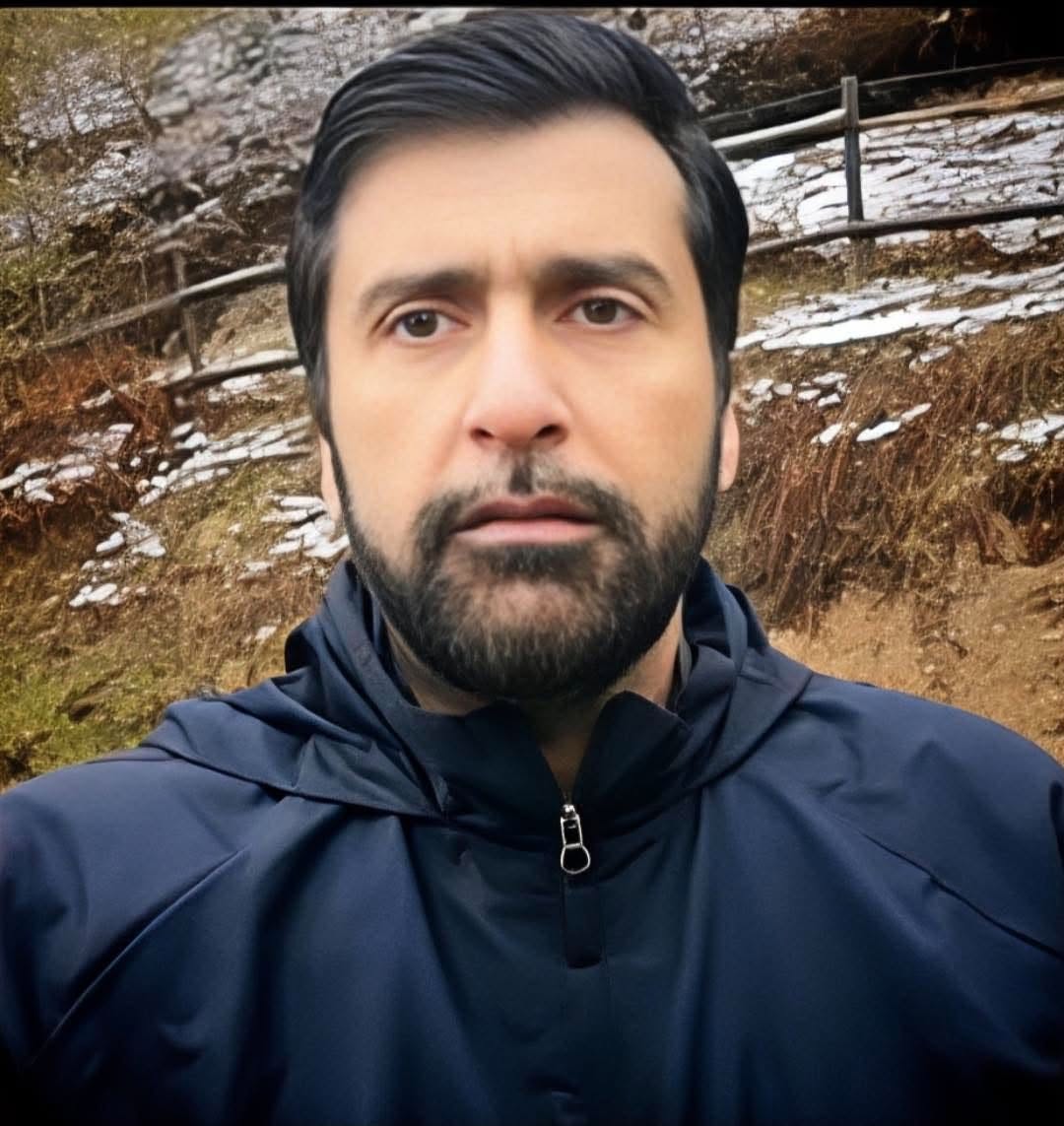
That terrible day, 08 April 2026, marked yet another assault on press freedom in Lebanon. Among the victims were two journalists killed in separate Israeli strikes amid intensified bombardments – Ghada Dayekh, a presenter with radio Sawt Al-Farah, and Suzanne Khalil, a reporter and presenter for Al-Manar TV and Al-Nour Radio.


Ghada Dayekh and Suzanne Khalil
Dayekh was killed when an Israeli airstrike hit the building in Tyre from which she had been working after the destruction of the station’s headquarters, while Khalil was killed in an Israeli airstrike targeting a building in the town of Kaifun, in the Mount Lebanon Governorate.
On 18 March 2026, an Israeli strike on a residential building in Beirut killed Mohammad Sherri, a journalist at Al-Manar TV, alongside his wife. Only one week later, on 25 March 2026, while filming a military operation in Nabatieh, Hussain Hamood, who was a photojournalist and a camera operator at Al-Manar TV, was killed by an Israeli strike. His killing was condemned by UNESCO Director General Khaled El-Enany.
Three other journalists and media reporters were killed on 28 March 2026 in Jezzine after an Israeli strike deliberately hit their car: Ali Shoeib of Al-Manar TV, Fatima Ftouni of Al-Mayadeen and her brother Mohammed Ftouni, a freelance photojournalist.

United Nations experts called for an investigation into Israel’s targeted killing of the three journalists in Lebanon on 28 March. The UN experts said, “The targeted killing of journalists is an abominable push by Israel to silence reporting on Israel’s current military action in Lebanon, and shut down news coverage of war crimes committed, just as it did in Gaza.”
They noted that as of that date, “at least 259 journalists and media workers have been killed by Israel since 2023, including 210 Palestinian journalists in Gaza and 14 journalists in Lebanon. At least 64 of them appear to have been directly targeted.” The three additional journalists mentioned above brings the total of journalists killed by Israel in Lebanon to at least 17 since 2023.
GCHR has documented the targeted killing of journalists in Lebanon and Palestine by Israeli forces since 2023, including through reports published for the International Day to End Impunity in November 2025, and annual Lebanon reports.
Recommendations
The Gulf Centre for Human Rights (GCHR) recommends immediate action and:
- Calls on the Israeli authorities, and all parties to war, to refrain from attacking civilians, including journalists and humanitarian workers; including especially to stop deliberately targeting journalists, humanitarian workers and other non-combatants; and stop preventing emergency workers from assisting those who have been wounded, particularly in Lebanon and Gaza;
- Urges an immediate and serious investigation in order to find practical and effective mechanisms that decisively end impunity in crimes against journalists in all countries in our region;
- Urges governments and other relevant agencies to work strenuously to hold accountable those who committed crimes against journalists and ensure that perpetrators and masterminds of these violations will not remain unidentified and escape impunity;
- Calls on all concerned parties to provide proper protection to journalists so that they can carry out their work to the fullest extent; and
Calls on all countries to adopt the recommendations of the UN Plan of Action on the Safety of Journalists and the Issue of Impunity.

-
Latest News
-
Latest News
Defenders Affected
-