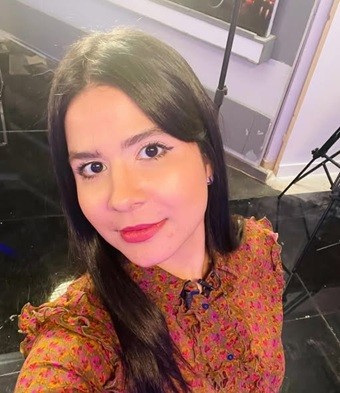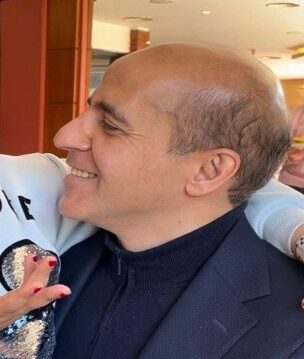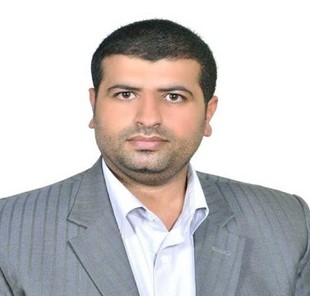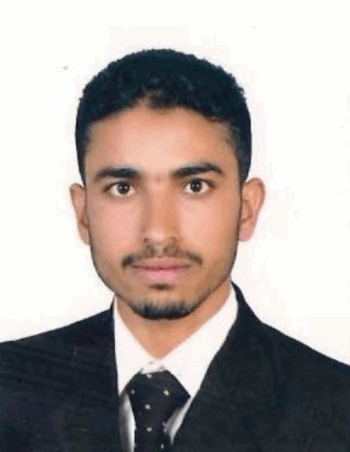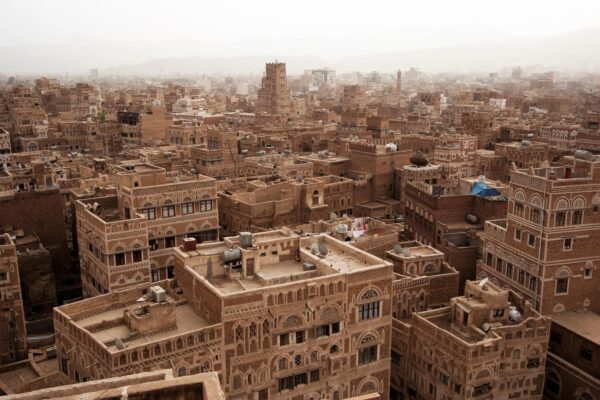
The Gulf Centre for Human Rights (GCHR) has documented numerous human rights violations in Yemen over the past six months, perpetrated by all parties involved in the ongoing conflict. These violations include the continued arbitrary detention of a prominent human rights lawyer and health expert, the enforced disappearance of a researcher, the targeting of journalists, media professionals, and other activists, and the imposition of severe restrictions on freedom of expression and freedom of the press.
Year-long arbitrary detention of human rights lawyer Abdulmajeed Sabra
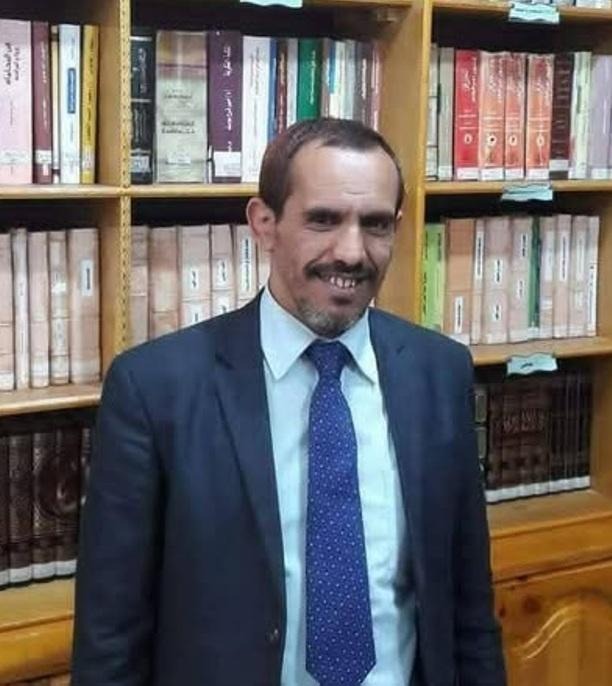
The first anniversary of the arbitrary arrest and detention of prominent human rights lawyer Abdulmajeed Sabra, who is currently being held in a prison run by the Security and Intelligence Service in the Saraf sub-district, located at the eastern entrance to the Yemeni capital, Sana’a, is approaching this month.
On 15 September 2025, an armed group affiliated with the Houthi group arrested Sabra after storming his office in the Shamila district of Sana’a and taking him to one of the secret prisons run by the Security and Intelligence Service in the same city.
On 07 December 2025, he began a hunger strike that lasted several days in protest against his arbitrary arrest and detention incommunicado. His family visited him for the first time on 21 January 2026, and he was in acceptable health.
According to previous documentation by GCHR, on 12 May 2025, his brother, Waleed Sabra, posted an appeal on his Facebook page titled “Freedom for Abdulmajeed Sabra” demanding his immediate release. The appeal began, “230 days after the arrest of lawyer Abdulmajeed Sabra, he remains arbitrarily detained without any clear legal process, without any proven charges, and without any justification for his continued deprivation of liberty.”
He also confirmed that, “His last interrogation was on 10 November 2025, during which he agreed to unfair conditions in exchange for his release. However, he was not released. After the interrogation, they found no real charges or accusations against him, so he was transferred to the Security and Intelligence Reformatory in the Shamlan area, where he was left for more than six months without any follow-up or clear legal proceedings.” The Shamlan area is located northwest of Sana’a.
On 16 June 2026, Sabra began a second hunger strike, as announced by his brother Waleed on his Facebook page. Waleed wrote, “Today, Tuesday, the 1st of Muharram, Yemeni lawyer and human rights activist Abdulmajeed Sabra begins an open-ended hunger strike inside the Security and Intelligence prison in Sana’a, after 260 days of detention without clear charges, convincing legal justification, or procedures guaranteeing his right to defense and a fair trial.”
The following day, his brother announced on the same page that Sabra had ended his hunger strike, explaining, “During our visit today to my brother, lawyer Abdulmajeed Sabra, he was still on hunger strike. After they asked him to end his strike in exchange for raising his case with the leadership of the Security and Intelligence Service, lawyer Abdulmajeed submitted a complaint, which was accepted, and they promised to take his case very seriously. In return, he agreed to end his hunger strike.”
On 31 July 2026, his mother issued a plea that read: “My dearest son, I don’t want to visit you in your cell from behind the separation wall. My wish is to live the rest of my days with you by my side, caring for me and looking after me, for I need your care now more than ever. Ten months of absence have burdened me with worries and hardship, and I can no longer bear to be separated from you. Do those who imprisoned you ever ask their own mothers what it means for a mother to be separated from her son, or for a father to be separated from his children?! I appeal to all reasonable people to have the final say in my son’s case and to release him. Enough of this injustice.”
Although his arrest came after he posted on social media celebrating the 26 September Revolution in Yemen, GCHR believes that the real reason for his targeting by the authorities is his unwavering legal defense of prisoners of conscience in Yemen.
GCHR strongly condemns the Houthi group’s continued arbitrary detention of prominent human rights lawyer Abdulmajeed Sabra, who has committed no offense other than peacefully expressing his opinions. The authorities’ refusal to refer him to the Public Prosecutor’s Office for this entire period demonstrates their inability to bring any legitimate charges against him.
GCHR urges the Houthi group in Yemen to immediately and unconditionally release prominent human rights lawyer Abdulmajeed Sabra, as well as all other citizens detained for peacefully exercising their human and civil rights, including their rights to freedom of expression, peaceful assembly, and association.
Dr. Ali Ahmed Al-Madwahi faces a malicious case.
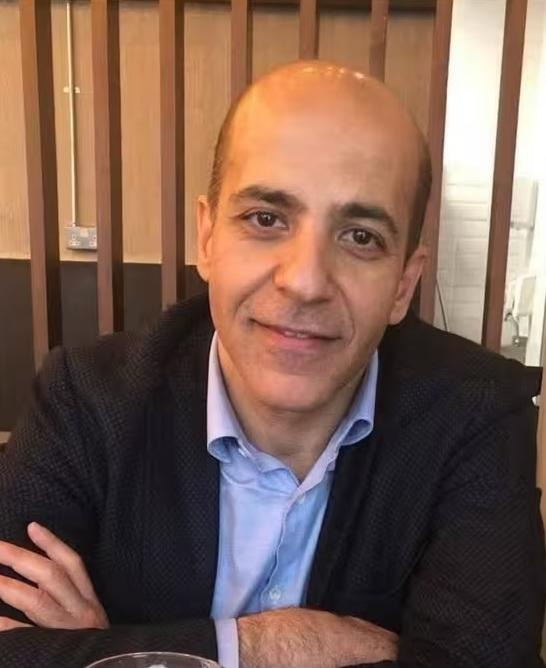
Dr. Ali Ahmed Al-Madwahi, who remains arbitrarily detained in Sana’a by the Houthi group, is a Yemeni physician and expert in public health and epidemiology. He has also served as a consultant for World Health Organisation programs in Yemen.
On 30 August 2026, his wife Safia Mohammed, an Internet activist, posted a public statement on her Facebook page addressed to local and international human rights and media organisations, summarising the legal violations her husband has suffered since his arrest. These violations include:
“Arbitrary arrest: On the morning of 08 June 2026, his workplace was raided and stormed. The office door was broken down, and he was arrested without legal justification or a warrant.
Intimidation and illegal search: The office was forcibly entered, searched, and its contents tampered with. His phones, computers, and everything else inside were confiscated by force.
Enforced disappearance and coercion: Dr. Ali was taken blindfolded to an unknown location and then forcibly disappeared. For the first six months, we had no information about him, not even whether he was well. Despite my repeated calls to the security and intelligence services, they did not respond or provide any information about his whereabouts or condition.
Communications: After more than six months, he was allowed only brief, intimidated phone calls. These calls were extremely rare, infrequent, and limited, and were made under duress.
Confiscation of his personal belongings: Seven months after his arrest, his residence was forcibly raided, and all his belongings, including his clothes and personal items, were confiscated. Everything in his workplace and residence, located in the same building, was also seized.
Serious violations: Today, 30 August 2026 marks over 813 days since his arbitrary arrest. During this period of detention, he has been subjected to serious violations: physical and psychological torture, intimidation, and false confessions extracted under threat and coercion. He was forced to sign and place his fingerprint on blank documents.
Harsh detention conditions: Dr. Ali is being held incommunicado in a secret location, denied visits or normal communication with his family. His health and safety are endangered by torture and continuous psychological pressure, and he is deprived of his most basic rights.
Referral maliciousness: After more than two years of arrest, enforced disappearance, and detention, Dr. Ali’s case was secretly transferred to the Specialised Criminal Prosecution without prior notification. This transfer was based on reports and procedures whose validity we contest, especially given the torture, coercion, pressure, and forced confessions he endured during his detention and interrogation.”
She concluded her briefing with an appeal to ensure his freedom, halt the malicious trial, defend his right to life and safety, and stop the grave violations he is suffering.
On 26 August 2026, he appeared for the second time before the Specialised Criminal Prosecution for questioning regarding the charges against him. Reliable press reports indicated that the case file received from the Security and Intelligence Service consisted of 5,000 pages, which he was required to answer in a limited number of sessions. The prosecution refused to allow the defense team to photocopy the file. His defense team requested a copy of the case file, as required by due legal process, and sufficient time to review it with Dr. Al-Madwahi.
On 23 August 2026, Al-Nidaa newspaper published a report stating, “Health expert Dr. Ali Ahmed Al-Madwahi, in a phone call with his family, revealed details of his detention and interrogation by the Houthi security and intelligence apparatus in Sana’a, saying he was subjected to torture and threats in an attempt to force him to confess to spying for the World Health Organisation (WHO).”
The report also stated that the interrogators demanded he “confess that the WHO had recruited him as a spy, and that he say that vaccines given to children under five years old are used as ‘tools of espionage,’ in exchange for ending his detention and returning to his normal life.”
As the same report stated, Dr. Al-Madwahi refused to make these confessions, and according to his account, he was threatened with being held in detention for many years before being allowed to meet with a lawyer or be referred to the judicial authorities.
On 06 September 2026, his wife confirmed in a Facebook update that, “the investigation sessions at the Public Prosecution Office with [her] husband, Dr. Ali Ahmed Al-Madwahi, had concluded, and the file they claimed contained evidence consisted only of correspondence, emails, and official documents related to health projects, and contained nothing confidential or incriminating. There appeared to be some confusion and misunderstanding regarding certain professional terms used in the file after their translation and interpretation into Arabic.” She also appealed to “all those with a conscience concerned with his case and those in positions of authority to release Dr. Ali after more than 820 days of injustice and detention that have severely impacted his health and well-being.”
He and his family – his wife and three children – have suffered immense psychological distress as a result of this baseless and malicious prosecution. GCHR calls on the de facto government in Sana’a, the Houthi group, to drop the charges against Dr. Ali Ahmed Al-Madwahi and release him immediately and unconditionally.
Forced disappearance of researcher Ashwaq Suleiman Al-Shamairi
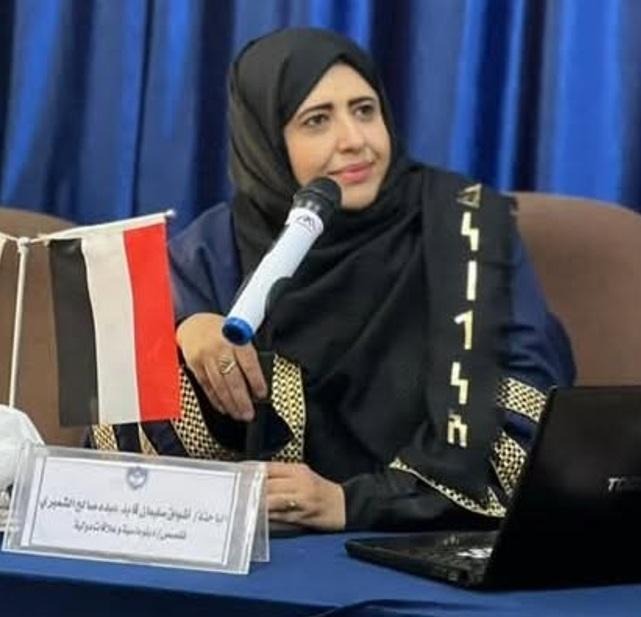
On 25 November 2025, a security force affiliated with the Houthi group arrested researcher and civil society activist Ashwaq Suleiman Al-Shamairi, 50 years old, in the Al-Andalus neighborhood of northern Sana’a, at dawn without a warrant. After storming her home, the security force searched it, confiscating phones, electronic devices, cash, and gold jewelry, before taking her to an unknown location.
Reliable local sources stated that her arrest was related to her peaceful personal opinions expressed on social media, which included criticism of the difficult economic situation faced by citizens. Her last post was about the 26 September 1962 revolution and her father’s role in it.
Al-Shamairi, who was displaced from Taiz to Sana’a in 2015 due to the war, had completed her master’s thesis, titled “Obstacles facing Yemeni women in diplomatic work,” two months before her arrest.
On 10 February 2026, her son, Arafat Idris Al-Shamairi, wrote the following on his Facebook page: “Three months of detention… Where is the justice? For nearly three months, my mother has been hidden from us, and we don’t know what crime she committed to be deprived of her freedom and her right to be with her family. Does a woman no longer have the right to freedom, dignity, and safety?”
Al-Shamairi has only been able to contact her family through a few infrequent phone calls that lasted no more than two minutes each, during which she was not allowed to disclose her whereabouts. Several of her colleagues believe she is being forcibly detained in one of the prisons run by the security and intelligence services in Sana’a.
Her family is deeply concerned for her life because she suffers from chronic illnesses such as high blood pressure, which is compounded by the lack of healthcare in these secret detention facilities.
GCHR condemns the continued arbitrary detention of researcher and civil society activist Ashwaq Suleiman Al-Shamairi and demands that the de facto government in Sana’a, the Houthi group, release her immediately and unconditionally, given her poor health and the fact that she has not committed any offense warranting this unjust targeting.
Two journalists killed and a third journalist threatened with death
Since the start of the current conflict in late 2014, GCHR has documented egregious and systematic violations committed by various parties to the conflict and armed groups against journalists in Yemen. These violations have included arbitrary arrest and detention, prolonged imprisonment without specific charges or due process, abduction, ill-treatment and torture, smear campaigns, restrictions on freedom of expression, threats and intimidation, and the killing of a significant number of journalists simply for their diligent work in carrying out their journalistic duties with the highest professional standards. GCHR here documents two premeditated murders of Yemeni journalists, in addition to a third case in which a journalist faced a death threat.
Journalists Abdulsamad Al-Qadi and Mohammed Aydah killed
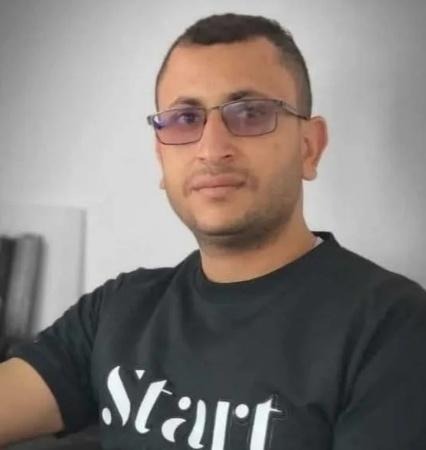
On 26 February 2026, journalist Abdulsamad Al-Qadi, a correspondent for the online news outlet “Al-Sahil Al-Gharbi”, was assassinated after gunmen on a motorcycle opened fire on him in a street in Taiz, a city under the control of the internationally recognised government. Al-Qadi was hit by several bullets and died from his wounds.
On 28 April 2026, security sources reported that security forces in Taiz Governorate had arrested suspects in his assassination.
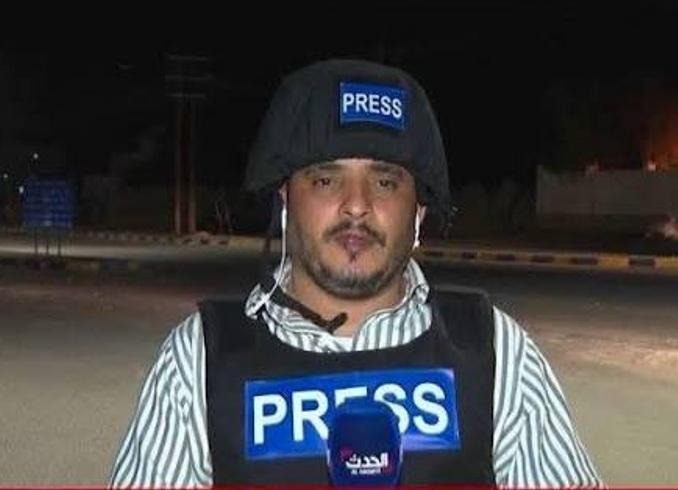
On 24 June 2026, journalist Mohammed Aydah, an Al-Arabiya and Al-Hadath correspondent, was assassinated in Hadramawt when an explosive device targeted his car in Mukalla, the capital of Hadramawt Governorate in eastern Yemen. Aydah sustained serious injuries and later died. Local sources reported that he had received repeated threats previously, and the Hadramawt security administration had informed him of a similar threat about a month earlier.
The head of the Presidential Leadership Council, Rashad al-Alimi, ordered the formation of a high-level joint committee, comprising representatives from the Ministry of Interior, the State Security Service, and Military Intelligence, in coordination with a committee formed by the local authorities in Hadramawt Governorate, to investigate the circumstances of his assassination.
Journalist Mahmoud Al-Humaidi receives death threats
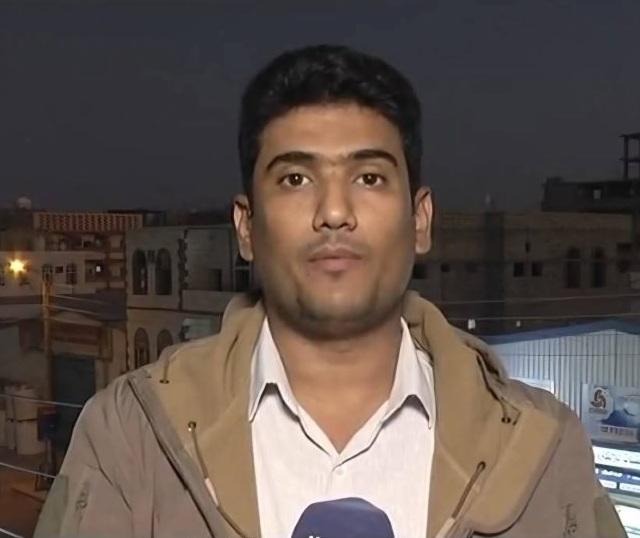
On 26 July 2026, journalist Mahmoud Al-Humaidi received a phone call regarding his published reports on airstrikes targeting Houthi-controlled areas. During the call, he was accused of being an “agent” and threatened with harm to himself and his family. Al-Humaidi works as a correspondent for Al-Arabiya and Al-Hadath channels in Marib Governorate, which is under the control of the internationally recognised government.
Journalists and online activists continue to suffer enforced disappearances or imprisonment
GCHR has documented the enforced disappearance, imprisonment, and arbitrary detention of several journalists and an online activist in Yemen, whom have been held for extended periods. GCHR has raised their cases repeatedly over the past years. Despite persistent appeals from national and international human rights organisations, the parties to the conflict in Yemen have yet to release them.
Journalist Waheed Al-Sufi
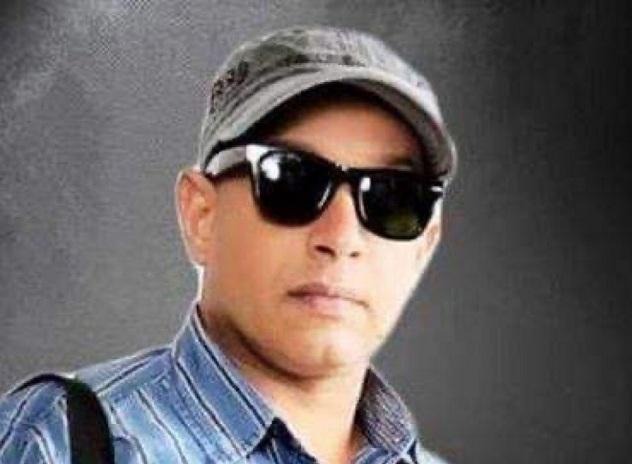
On 06 April 2015, two armed men in civilian clothes kidnapped journalist Waheed Mohammad Naji Haider Al-Sufi while he was waiting for his turn to pay an Internet bill in a queue at the Al-Tahrir Post Center in the centre of Sana’a. They forced him into a white Land Cruiser and took him to an unknown destination.
He left behind a family consisting of a wife and two girls, who made every effort to find out where he was being held. They searched for him in the Criminal Investigation Department, the security authorities, the Public Prosecution, and the Ministry of Human Rights. They also appealed for help to international organisations, including the International Red Cross, but to no avail.
Al-Sufi established a daily news website called Al-Arabia Online, and he also received an official permit from the Ministry of Information to publish a newspaper in the name of “Al-Arabiya”, but it did not see the light due to his kidnapping.
His cousin Fahmi Al-Sufi, who was accompanying him during the kidnapping, filed a complaint with Al-Olafi Police Station in Sana’a regarding the kidnapping of his relative, but he did not receive any information about his location or the party that carried out the kidnapping.
Journalist Nabil Al-Sadawi
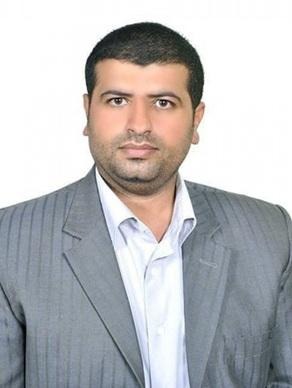
On 21 September 2015, members of the Security and Intelligence Service in Sana’a arbitrarily arrested journalist Nabil Al-Sadawi, 46, from a street near his home in Sana’a. He worked for the Yemen News Agency (Saba). He was subjected to enforced disappearance and incommunicado detention for five and a half months, was interrogated three times while blindfolded and without a lawyer, and was forced to sign pre-written confessions by security forces after being threatened with continued torture.
In July 2019, after nearly four years of arbitrary detention, he was referred to the Specialised Criminal Court on charges that included “working with the Saudi aggression” and “forming an armed gang to carry out criminal acts against members of the army and security forces.” On 23 February 2022, the Specialised Criminal Court sentenced him to 8 years in prison. He was scheduled to be released on 21 September 2023, but the Specialised Criminal Court of Appeal in Sana’a issued a ruling on 18 August 2024, increasing his sentence to nine years in prison.
Despite the expiration of his sentence, Al-Sadawi remains in arbitrary detention to this day.
Journalist Naseh Shaker
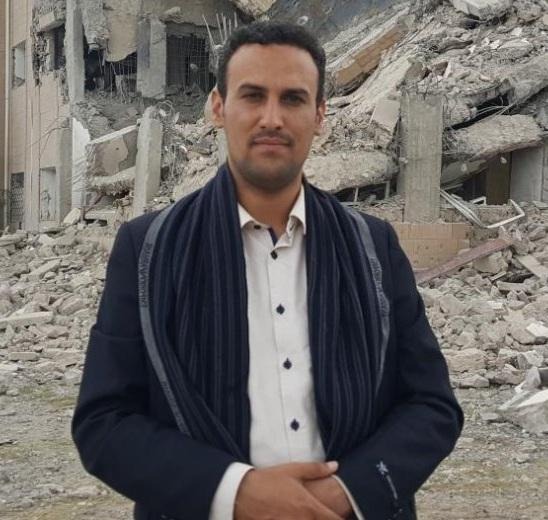
On 19 November 2023, journalist Naseh Shaker disappeared while passing through the city of Aden on his way to travel via Aden International Airport to participate in a training course held abroad.
Informed sources confirmed to GCHR that the last contact between him and his family was on the morning of his disappearance, after which contact with him was lost.
Shaker is a freelance journalist based in Sana’a. He has regularly contributed his journalistic writings to many international news outlets, focusing on the humanitarian costs of the war on children and innocent civilians in Yemen.
In a joint appeal signed by GCHR and 34 other organisations, it was emphasised that requests from his family, his lawyer, and local and international organisations to disclose his fate went unanswered. Then, in February 2025, a released detainee informed his family that Shaker was being held at the Al-Nasr Brigade camps, a facility belonging to the Security Belt Forces of the Southern Transitional Council in Aden, which is being used as an unofficial detention centre. He was subsequently transferred to notorious Beir Ahmed prison, where he endured severe mistreatment and physical and psychological torture.
Due to persistent demands from his colleagues and repeated appeals from civil society organisations for his release, his case was referred to trial. His first court hearing was held before the Specialised Criminal Court in Aden on 30 April 2025, nearly a year and a half after his arrest. Subsequent hearings followed until a court ordered his release on 20 January 2026, a ruling that has yet to be implemented.
GCHR expresses its grave concern over the continued detention of journalist Naseh Shaker, despite a clear court order for his release. GCHR holds the UAE-backed Southern Transitional Council responsible for his release and for ensuring his safety.
Online activist Fawzi Ahmed Obaid
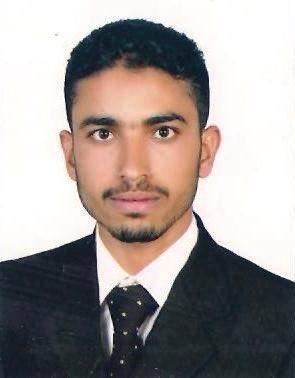
Internet activist Fawzi Ahmed Obaid was arbitrarily arrested on 07 September 2015, in the capital Sana’a, by an armed group affiliated with the Houthi group, who took him to an unknown location. His family tried to search for him with the security forces, including the Criminal Investigation Bureau, but to no avail.
Six months after his arrest, he called his family from a number belonging to the Security and Intelligence Service, informing them that he was being held by them, and that he did not know what charges were being brought against him, as the investigation had not yet begun.
In August 2016, Obaid’s family contacted officials in the Security and Intelligence Service, and after they hired a lawyer, they were given approval to visit him, but when they arrived at the service’s headquarters in Sana’a, the visit was cancelled, which left a bad psychological impact on them.
Since then, after nearly 11 years of his detention, his family members, including his elderly mother, have not been allowed to visit him, despite orders issued by the Public Prosecution and the Specialised Criminal Court to allow them to do so. All of the family’s repeated requests submitted to the competent authorities to allow them to visit him or refer his case to court were met with refusal.
Some recently-released detainees have confirmed that Obaid is in a dungeon in an underground cell in a prison run by the Security and Intelligence Service in Sana’a. Local reports confirmed that the reason for his arrest was due to writings he published on his Facebook account, which were deleted after his arrest and the confiscation of his phone.
Continued Arbitrary Detention of Journalists and Media Professionals in Al-Hudaydah
GCHR previously documented the arbitrary arrest, without warrant, of approximately 13 journalists and media professionals by an armed group affiliated with the Houthis on the evening of 21 May 2025, and the following day in Al-Hudaydah Governorate, western Yemen. Reliable local sources confirmed that among those still being arbitrarily detained are journalist and deputy head of the Yemeni Journalists Syndicate in Al-Hudaydah branch Walid Ali Ghaleb, former Reuters photographer Abduljabbar Ali Ziyad, photojournalist and director of the Soura Media Production Centre Abdulaziz Ali Al-Noum, journalist Assem Mohammed, correspondent for the New Arab news website Hassan Ziad, and journalist and media officer at the Al-Amal Center for Cancer Treatment Abdulmajeed Al-Zayla’i.
Press reports confirmed that journalist Haitham Daoud Al-Raimi, who was initially arrested along with them, was released on 14 February 2026, after more than eight months of arbitrary detention.
Meanwhile, the Yemeni Journalists Syndicate, in a statement, held the Houthi group “fully responsible for the life and safety of our colleague Walid Ghaleb and reiterated its demand for his immediate release.” The Syndicate also expressed “grave concern regarding the serious deterioration of his health… as he continues to be denied necessary medical care despite suffering from diabetes, high blood pressure, and other chronic illnesses.”
Women Journalists Face Targeting
Yemeni women journalists are targeted twice: once as women in a patriarchal society that has not given women their true role in contributing to the hard work of building a bright future for all, and again as journalists who work with all professionalism to prove their ability to give and monitor the daily issues that concern citizens in Yemen.
Incitement post against activist and journalist Shaima Saleh Basid
Shaima Saleh Basayed is a journalist and a civil society activist, who publishes her articles and literary pieces in Yemeni and Arab newspapers and websites, such as “Al-Nidaa” newspaper. On 05 April 2026, she was appointed by the local authority in Al-Hawta District, the capital city area of the Lahj Governorate in southwestern Yemen, to serve as the director of the Social Affairs and Labour Office in that district.
Following this appointment, on 01 September 2026, an individual with a Facebook page under the name “Abu Mohammed Al-Lahji” distributed an inflammatory post against her on WhatsApp groups. The post, titled “A nation that entrusts Its affairs to a woman will never prosper,” contained content deliberately intended to incite discord against her, spread hatred towards her in society, and encourage individuals or groups to commit violence or discrimination against her by calling for her removal from the administrative position she rightfully earned based on her academic qualifications, prior experience, and proven competence. The post concluded with the statement, “Let us stay home if women like this are leading the way, contributing to the erosion of morals and threatening the awareness and future of our sons and daughters.”
“Al-Nidaa” newspaper, in a statement published on 03 September 2026, announced its full solidarity with Basid and demanded that the authorities in Lahj investigate the incitement against her.
GCHR expresses its full solidarity with journalist Shaima Saleh Basid and calls upon the local authorities in Lahj Governorate, which falls under the jurisdiction of the internationally recognised government, to provide her with full protection as she carries out her administrative duties, as well as her journalistic and civic activities. GCHR also calls on Meta, the company that owns Facebook, to cooperate with the local authorities in Lahj to identify the owner of the page so that it can be shut down and the necessary legal measures taken against him.
Journalist Ahed Yassin threatened with death
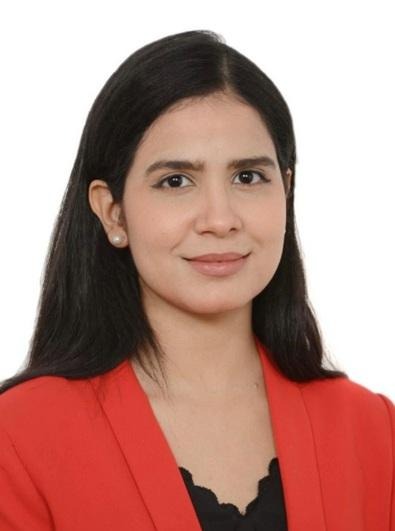
Ahed Yassin works as a presenter on Al-Jumhuriya TV and uses her Facebook page, which features the statement, “I will not hide and I will not accept guardianship over my life and work,” to express her personal opinions on public affairs that concern citizens. She is originally from Aden but currently resides in Cairo, Egypt, out of necessity.
Yassin received several death threats, the most recent in May 2026, due to an organised campaign targeting her by some hardline clerics and members of parliament affiliated with the internationally recognised government. The threats stemmed from her appearance and clothing while performing her duties.
In a statement to GCHR on 05 September 2025, she said, “These threats are the result of incitement and accusations of apostasy by parliamentarians and some extremist clerics. When such incitement and accusations of apostasy come from these individuals, some people believe them to be true because they are public figures with influence and considerable power.”
GCHR expressed its solidarity with her in its previous periodic report on Yemen, published on 05 February 2026. GCHR reiterates its full solidarity with journalist Ahed Yassin and condemns all campaigns and attempts to prevent her from carrying out her independent journalistic work and her tireless efforts to convey the truth to citizens throughout Yemen.
Smear campaign against journalist Hanan Faza’a
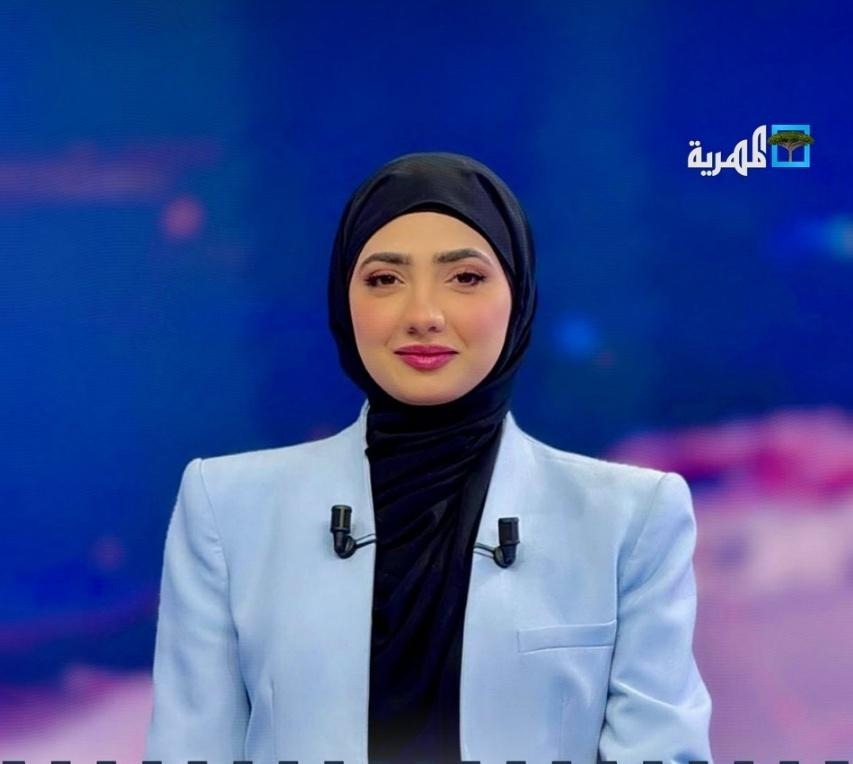
Journalist Hanan Faza’a, a presenter on Almahriah TV, has been subjected to a smear campaign and abuse on media outlets and social media platforms.
On 11 April 2026, Almahriah TV, in a statement on its Facebook page, demanded “accountability for all those involved in the abusive media campaign against our colleague Hanan Faza’a, which included personal insults, fabricated accusations, and lies that affected her life and contributed to damaging her reputation, her family, and her work in journalism.” The statement emphasized that “the abusive campaign involved media figures and activists affiliated with Presidential Leadership Council member Tariq Saleh,” as also published by the channel.
Journalist Mohammed Al-Mayahy released
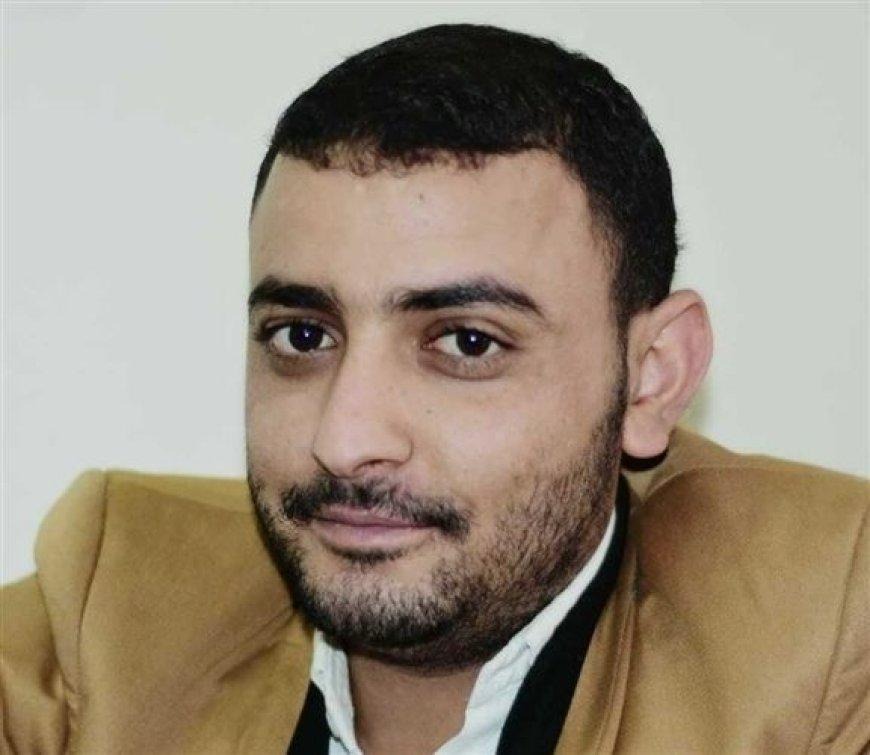
On 26 February 2026, the Houthi group in Sana’a released journalist and writer Mohammed Dabwan Al-Mayahy after 524 days of detention. He had been arrested on 20 September 2024, from his home in central Sana’a.
On 28 December 2025, the Appeals Division of the Specialised Criminal Court ruled that Al-Mayahy had served his time in prison and ordered his release. Despite this clear ruling from the Yemeni judiciary, he remained detained for two months.
For full details of his case, see here.
Journalists targeted with arbitrary arrests
Journalists in Yemen operate in an environment that is often hostile to their work. They face harassment, including arbitrary arrest and indefinite imprisonment, at the hands of those in power and with influence in various Yemeni regions, who often feel threatened by the truth reaching the public. Furthermore, security forces are often used to undermine public freedoms and are frequently employed as a tool to arrest and imprison journalists for their investigative reporting or personal opinions on public affairs published on social media. GCHR documented three cases of journalists arrested to illustrate the real dangers facing journalists in Yemen.
Salahaldin Ali Al-Ruhani, a Yemeni journalist and writer, has been arbitrarily detained by the Houthi group in Sana’a since mid-March 2026. The Houthis raided Al-Ruhani’s home in Sana’a, sealed off the neighborhood, interrogated him for several hours, and then transferred him to an unknown location. Al-Ruhani is being held unlawfully without any formal charges and is being denied access to his family and lawyer. His health and exact whereabouts remain unknown, raising serious human rights concerns for his safety.
Hamoud Hazza, a journalist, was abducted on 27 June 2026 by armed men from a National Alignment event in Marib, a city under the control of the internationally recognised government. His family had no information about the reasons for his incommunicado detention or his fate. Information Minister Moammar Al-Eryani, who attended the same event, denied any involvement in the incident. Hazza was released after two days in detention. He has been forced to sign a pledge not to criticise the government officials, including the Information Minister himself.
Amjad Salem Al-Rami, a journalist, was arrested on 02 April 2026, by the Homeland Shield Forces, which are affiliated with the internationally recognised government. He was arrested from his home in Mukalla and detained in the Criminal Investigation Department prison in Mukalla. His detention was arbitrary and related solely to his professional journalistic work. He was released on 08 April 2026, after the completion of procedures at the Criminal Investigation Department headquarters in Mukalla.
Recommendations
Once again, GCHR urges the parties to the conflict in Yemen:
- Immediately release all those who have been arbitrarily arrested, detained, or tried on fabricated charges;
- Respect public freedoms, including freedom of the press and the right to peaceful assembly; and
- Ensure that human rights defenders, including journalists, bloggers, academics, and internet activists, are able to carry out their legitimate work and express themselves freely without fear of reprisal and in a manner free from all restrictions, including judicial harassment.

-
Latest News
-
Related Publications
Latest Urgent Action
 Bahrain
Human rights defender Naji Fateel re-arrested
Defenders Affected
-